0%

Choosing the 2026 Best Prefab Apple Cabin for Global Buyers requires more than attractive photographs. The right cabin must perform in real conditions, from snowy mountain roads to humid coastal sites. Buyers should examine insulation thickness, window specifications, roof loading, ventilation, plumbing access, and transport dimensions. A compact cabin can look perfect online, yet arrive unsuitable for a narrow driveway or uneven foundation.

Tom Hardiman Jr., executive director of the Modular Building Institute, states, “Modular construction is a process, not a building type.” That principle matters when comparing every Prefab Apple Cabin. The visible shape is only one part of the decision. Factory quality control, material traceability, installation instructions, and after-sales support deserve equal attention. Ask for verified testing documents, assembly drawings, warranty terms, and clear delivery responsibilities. Photos are not proof.

Climate changes the answer. A cabin designed for mild weather may need stronger insulation, moisture control, or upgraded heating in colder regions. Coastal buyers should question corrosion resistance. Remote buyers should calculate crane access and road clearance before placing a deposit. Small details matter.

No single model wins everywhere. That is the uncomfortable part. Some manufacturers publish impressive energy claims without explaining testing conditions. Buyers should compare measurable performance, not confident wording. This guide evaluates leading 2026 options through durability, comfort, logistics, customization, maintenance, and total ownership cost. It also recognizes practical weaknesses, because a beautiful cabin can still become an expensive mistake.
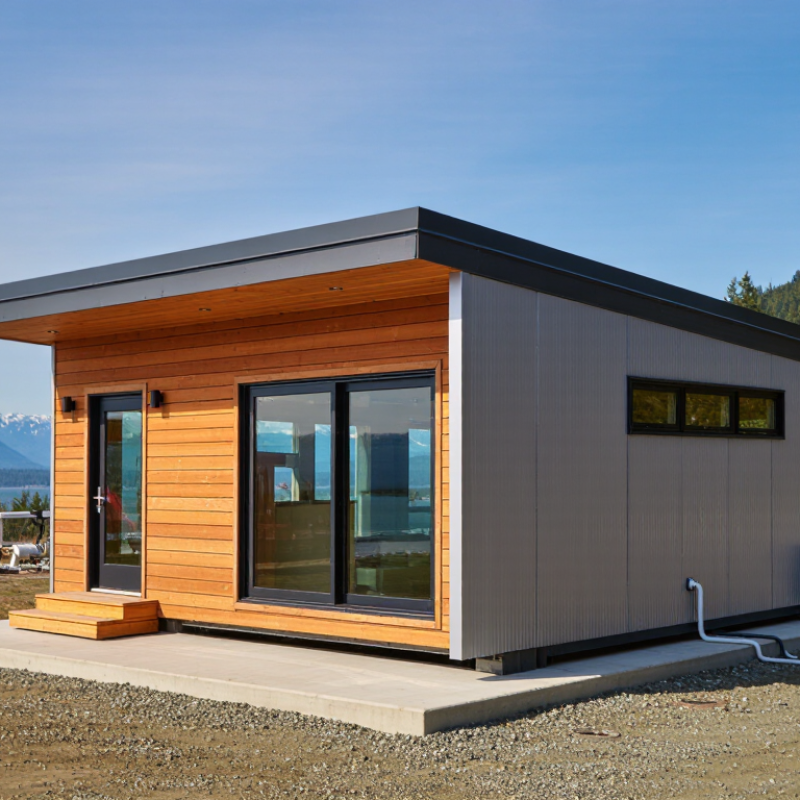
2026 Best Prefab Apple Cabin for Global Buyers?

What Is a Prefab Apple Cabin?

A prefab apple cabin is a factory-built small dwelling with a rounded, apple-inspired form. Its curved shell may create a memorable appearance, while the compact plan uses space efficiently. The term is not universally standardized. Some suppliers use it for pod-shaped cabins, while others describe modular units with softer, organic lines. Buyers should inspect drawings, not rely on the name alone.

Most units arrive with major components already assembled. Workers typically install wall panels, windows, flooring, wiring, and plumbing under controlled factory conditions. This process can reduce weather delays and improve consistency. A practical apple cabin may include a sleeping loft, a small bathroom, and a kitchenette. Wide windows bring daylight inside. However, curved walls can make furniture placement difficult. That detail is often overlooked.

Performance depends on more than appearance. Check insulation thickness, condensation control, ventilation, fire-resistant materials, and structural connections. Ask for measurable specifications and installation records. A cabin shipped overseas also needs careful packing, moisture protection, and professional site preparation. Ground conditions, wind exposure, snow loads, and utility access vary greatly between regions. Local approval requirements must be confirmed before purchase. Experience shows that attractive cabins can still need extra drainage or stronger foundations. The design may be elegant, but it is not automatically suitable for every climate.

Key Features of the 2026 Apple Cabin Design

2026 Best Prefab Apple Cabin for Global Buyers?

Key Features of the 2026 Apple Cabin Design

The 2026 Apple Cabin uses a compact, rounded form to create a warmer visual identity. Its curved roof reduces harsh edges and supports efficient rainwater drainage. Large low-emissivity windows bring daylight deep into the living area. They also frame forests, gardens, or snowy terrain like moving wall art.

The interior focuses on practical zoning. A foldable dining surface can serve two purposes. Built-in storage keeps luggage, tools, and bedding away from the floor. High-performance insulation, airtight joints, and heat-recovery ventilation improve comfort across different climates. The International Energy Agency reports that buildings consume about 30% of global final energy. Therefore, envelope performance matters more than decorative styling. Solar-ready roofing and low-energy lighting can reduce operational demand, when local conditions allow.

Factory production may improve consistency and shorten site work. McKinsey’s 2019 modular construction report found that modular methods can reduce project schedules by 20–50%. However, transport access, foundation accuracy, and local permits still affect delivery. The design is not flawless. Curved components may cost more, and limited floor space can feel restrictive for families. Buyers should request thermal calculations, wind-load data, moisture protection details, and maintenance guidance. A beautiful cabin should also remain easy to repair.

2026 Best Prefab Apple Cabin for Global Buyers?

Key Features of the 2026 Apple Cabin Design

This representative 30 m² compact-cabin planning model prioritizes usable floor area, a 2.7 m ceiling, approximately 20% glazed façade area, a 6 m × 5 m footprint, and a two-person sleeping capacity. Actual values may vary according to local building codes, climate, transport limits, and site requirements.

Materials, Construction, and Energy Efficiency

2026 Best Prefab Apple Cabin for Global Buyers?

Materials and construction decide whether an Apple cabin performs well beyond its attractive shape. A durable model should use certified structural timber, corrosion-resistant connectors, and moisture-resistant exterior panels. Timber must be kiln-dried and protected from ground moisture. Small details matter. Poor sealing around windows can waste more energy than expected.

Factory construction can improve accuracy, but transport may cause damage. Check every joint, roof edge, and service connection after delivery. A qualified local professional should verify foundations, wind resistance, fire safety, and insulation requirements. These rules differ by country and climate. A cabin designed for a mild region may struggle in humid tropics or freezing conditions. That is an uncomfortable fact. Better planning costs less than correcting condensation, warped panels, or thermal bridges later.

Tips: Request material certificates, insulation values, and a moisture-control plan. Choose low-emission finishes and double-glazed windows when the climate requires them. Use roof overhangs to protect walls from heavy rain. Install adjustable ventilation, not only sealed insulation. Solar panels can help, but their output depends on roof direction, shade, and seasonal weather. A heat pump may be efficient, yet it still needs correct sizing. Review the energy design with an independent expert before purchase.

Customization Options for Global Buyers

A prefab apple cabin can feel distinctive without sacrificing everyday comfort. Global buyers often need more than a fixed floor plan. They may request a compact bedroom, a wider kitchen, or a bathroom positioned near existing plumbing. Each change affects structure, cost, transport, and installation time.

Customization should begin with the local climate. In cold regions, buyers may need thicker insulation, insulated flooring, and triple-glazed windows. Hot, humid areas may require shaded openings, roof ventilation, and moisture-resistant interior finishes. Coastal locations need careful material selection because salt air can damage exposed fittings. Small details matter. Door swings, outlet positions, and storage height should match daily habits.

The cabin can also be adapted for different transport limits. Modular sections may need narrower dimensions for road delivery. Window sizes, roof angles, and exterior colors can be adjusted within practical engineering limits. Buyers should request clear drawings, material specifications, energy information, and a realistic installation schedule. Local professionals should review foundations, utilities, fire safety, and planning requirements before production. A supplier’s past projects can show useful experience, but photographs do not replace technical documents.

A perfect plan rarely survives real conditions. One overlooked access road can delay placement. Measure twice. Allow space for maintenance, not only appearance. A warmer floor or better ventilation may prove more valuable than an elaborate interior finish.

Pricing, Shipping, and Installation Considerations

2026 Best Prefab Apple Cabin for Global Buyers? Pricing, Shipping, and Installation Considerations

A prefab Apple Cabin may cost about US$35,000–US$90,000 before land, taxes, and utility connections. The final price depends on insulation, glazing, kitchen fittings, and climate upgrades. McKinsey’s construction analysis found that modular methods can reduce costs by up to 20% and shorten schedules by 20–50%. Those figures are potential gains, not promises. A remote hillside often changes the calculation.

Shipping can become the largest surprise. UNCTAD’s Review of Maritime Transport 2024 reported 2.4% growth in global maritime trade during 2023. It also noted continuing route and freight-rate uncertainty. Buyers should request a delivered-cost quotation, including crating, port handling, customs clearance, inland trucking, and unloading equipment. A 40-foot container may not fit every cabin component. Oversized cargo can require permits and escort vehicles. Installation usually needs a level foundation, crane access, drainage, electrical work, and local inspections. My practical concern is simple: factory precision cannot correct a poorly prepared site.

Tips: Ask for a room-by-room cost schedule. Confirm the cabin’s packed dimensions and total weight. Obtain three freight estimates. Reserve a contingency of 10–20% for site work and exchange-rate movement. Do not assume “flat-pack” means easy installation. A local engineer should verify snow, wind, seismic, and moisture requirements before payment. A small omission can become expensive.

FAQS

What makes the 2026 rounded prefab cabin visually distinctive?

Its compact, curved shape creates a softer appearance and reduces harsh roof edges. Large low-emissivity windows bring daylight inside. They also frame forests, gardens, or snowy ground.

How does the cabin support comfortable living in different climates?

High-performance insulation, airtight joints, and heat-recovery ventilation improve indoor comfort. Cold regions may need thicker insulation and triple-glazed windows. Hot, humid areas need shading, roof ventilation, and moisture-resistant finishes.

Can buyers customize the interior layout?

Yes. Buyers may request a smaller bedroom, wider kitchen, or bathroom near existing plumbing. A foldable dining surface can serve two functions. Built-in storage keeps luggage and bedding off the floor. Every change can affect cost, structure, transport, and installation time.

What should buyers check before approving customization?

Ask for drawings, material specifications, energy data, and a realistic installation schedule. Check door swings, outlet locations, and storage height. Small details matter. A beautiful plan may not suit daily habits.

What is the approximate purchase price?

The cabin may cost about US$35,000–US$90,000 before land, taxes, and utility connections. Insulation, glazing, kitchen fittings, and climate upgrades change the final amount. This is only a starting range.

What shipping costs may be overlooked?

Buyers should include crating, port handling, customs clearance, inland trucking, and unloading equipment. A standard 40-foot container may not fit every component. Oversized cargo can require permits and escort vehicles. Remote sites often change the calculation.

What site conditions are needed before installation?

The site usually needs a level foundation, crane access, drainage, electrical work, and local inspections. A local engineer should verify snow, wind, seismic, and moisture requirements. Factory precision cannot fix a poorly prepared site.

How can buyers reduce unexpected expenses?

Request a room-by-room cost schedule and confirm packed dimensions and total weight. Obtain three freight estimates. Reserve 10–20% for site work and exchange-rate movement. Do not assume “flat-pack” means simple installation.

Is the cabin energy efficient?

Its insulation, airtight construction, efficient ventilation, and low-energy lighting can reduce energy demand. Solar-ready roofing may help when local sunlight and regulations allow. Performance still depends on design quality and installation accuracy.

What technical documents should buyers request?

Request thermal calculations, wind-load data, moisture protection details, maintenance guidance, and foundation drawings. Photographs of past projects can help, but they do not replace technical documents. Repair access matters too.

Conclusion

The 2026 Prefab Apple Cabin is a compact, modern modular home designed for buyers seeking efficient living, flexible placement, and a distinctive curved form. Its design combines open interior space, large windows, smart storage, and practical layouts that can serve as a private retreat, guest suite, holiday home, or small residential unit. Built with durable structural materials, insulated wall systems, energy-efficient windows, and carefully planned ventilation, the cabin is intended to provide comfort across different climates while reducing long-term energy use.

Global buyers can often customize the cabin’s floor plan, interior finishes, kitchen and bathroom specifications, lighting, heating, and renewable-energy options. Before ordering, buyers should evaluate the total price, included equipment, transportation route, import duties, local permits, foundation requirements, utility connections, and installation services. Shipping dimensions, site accessibility, climate conditions, and regional building standards may significantly affect the final budget and project schedule. Careful planning with qualified local professionals can help ensure a smooth and compliant installation.


Aurora

Aurora

Aurora is a dedicated marketing professional with a strong understanding of product strategy, customer needs, and market trends. As a key contributor to the company’s content and communications team, Aurora regularly publishes insightful articles on the company website, helping readers better......