Industry Insights & Market Evolution
Future Procurement & Technological Trends in Modular Site Sanitation
The global modular sanitation market is undergoing a structural transition driven by ESG (Environmental, Social, and Governance) mandates, strict water discharge regulations, and the rising cost of field labor. Procurement teams must understand four core trends shaping the future of portable sanitary toilet modules.
1. Shift from Rental Operations to Asset-Owned Modular Hubs
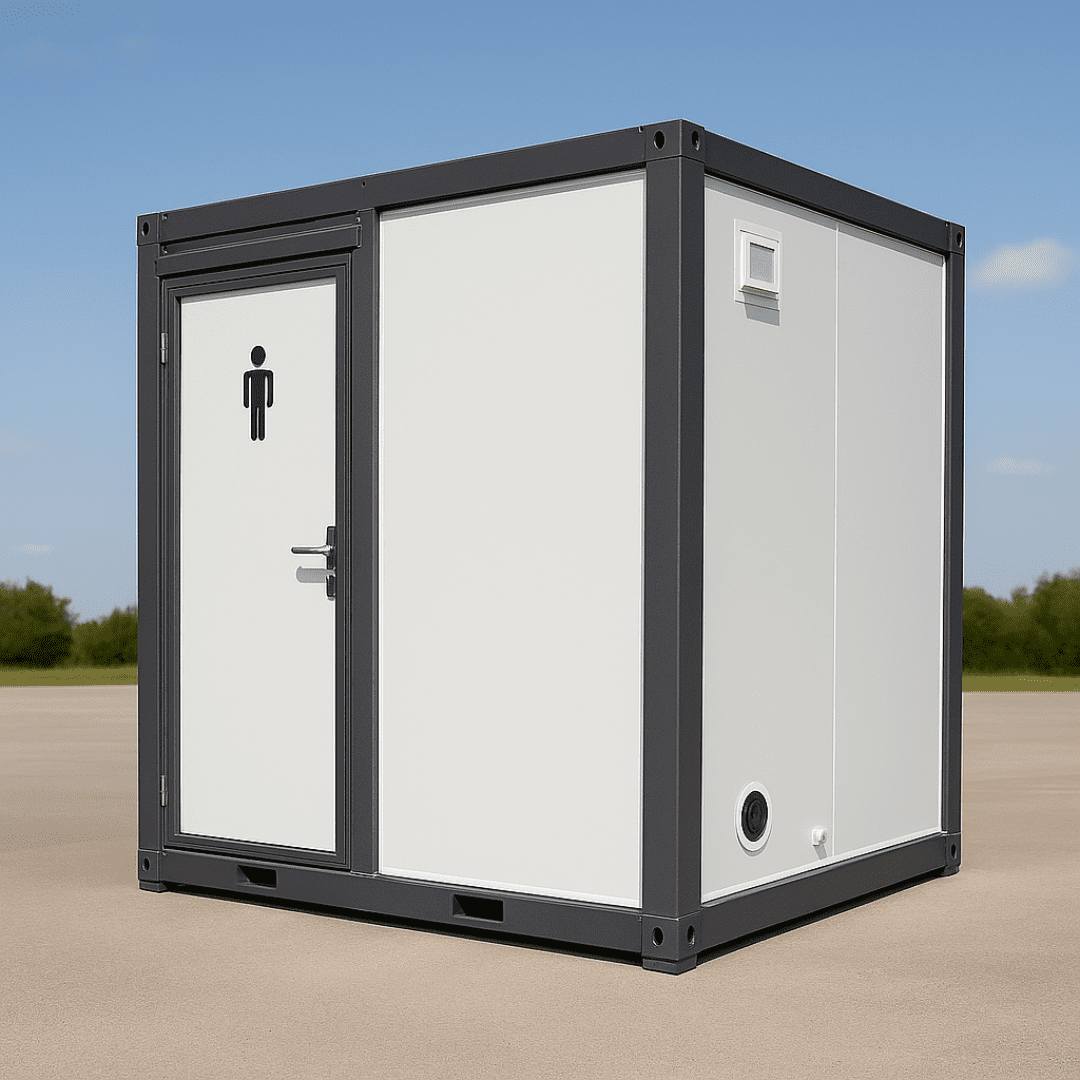
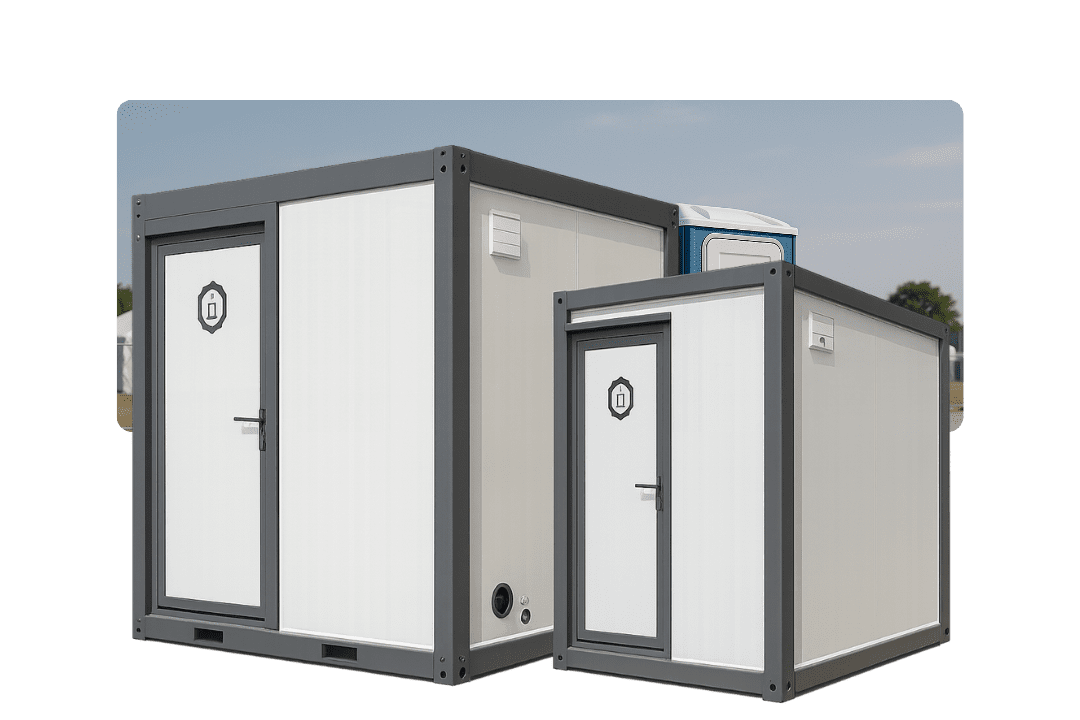
Global EPC contractors are phasing out high-recurring-cost plastic chemical toilet rentals in favor of asset-owned modular sanitation blocks. A prefabricated Portable Sanitary Toilet Module can be redeployed across 5+ consecutive construction projects over a 15-year period, delivering a Total Cost of Ownership (TCO) reduction of up to 62% compared to long-term equipment leasing.
2. Micro-Wastewater Treatment Plant (MBBR/MBR) Integration
Environmental regulations in sensitive coastal and forest project zones now prohibit blackwater dumping or unlined septic pits. Modern sanitary modules are increasingly specified with compact Moving Bed Biofilm Reactor (MBBR) or Membrane Bioreactor (MBR) micro-treatment units. This enables onsite blackwater purification into non-potable water suitable for irrigation or dust suppression.
3. Smart IoT Monitoring & Touchless Hygiene Automation
Post-pandemic occupational health standards require touchless operation. Next-generation sanitary modules incorporate automated infrared flush valves, sensor faucets, self-cleaning UV-C disinfection cycles between uses, and IoT tank-level sensors that transmit real-time pumpout telemetry directly to facility management dashboards.
4. Flat-Pack Logistics and Carbon-Neutral Shipping Densities
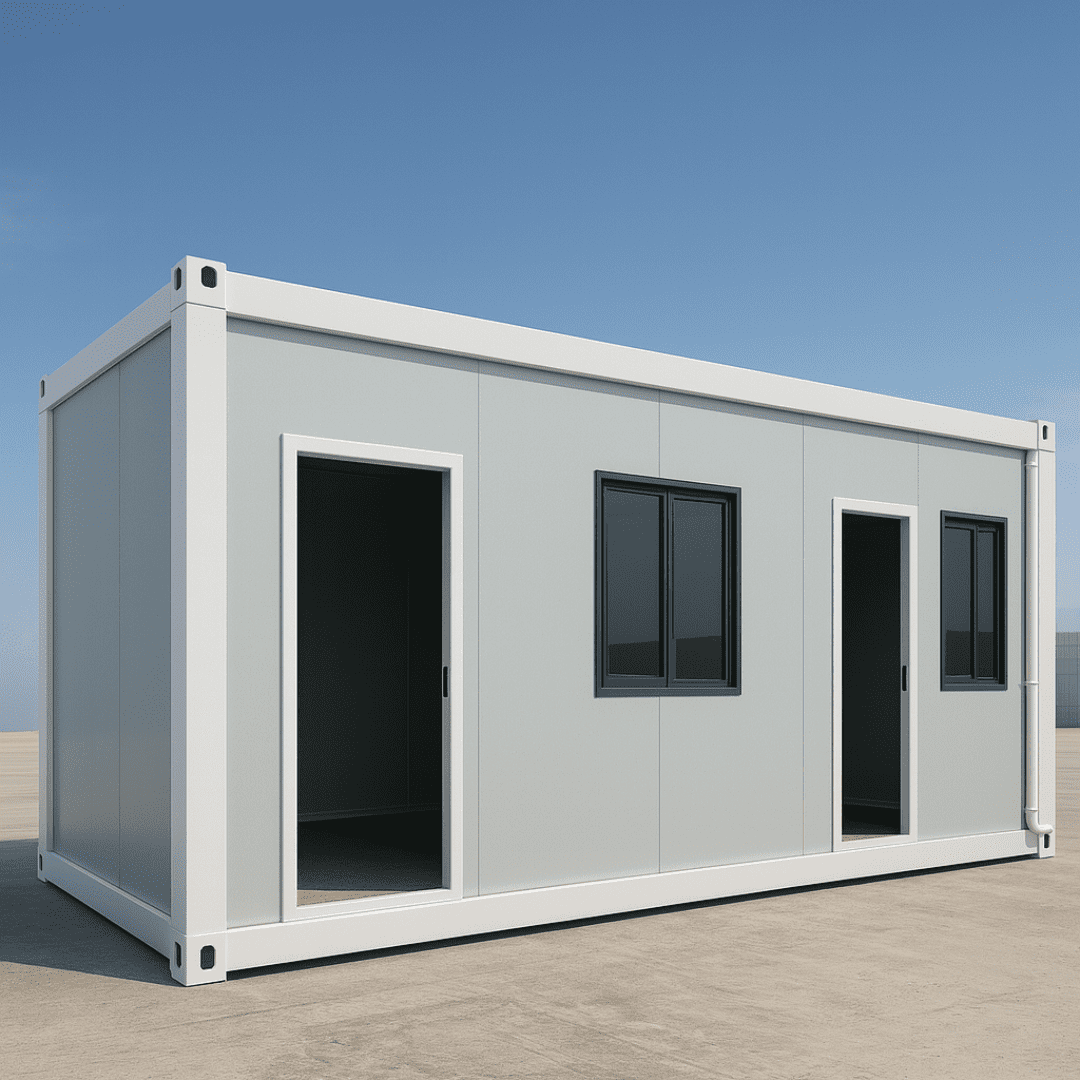
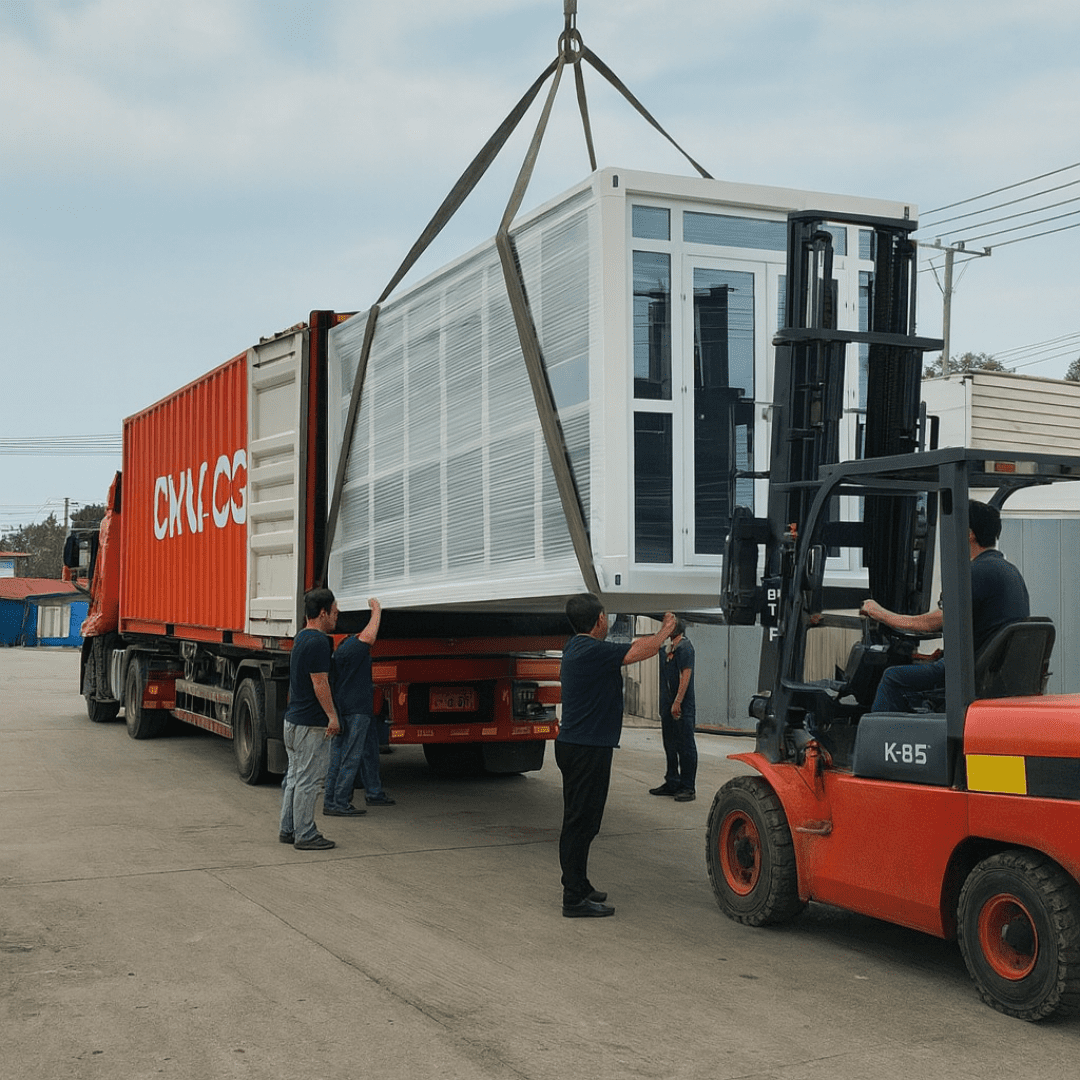
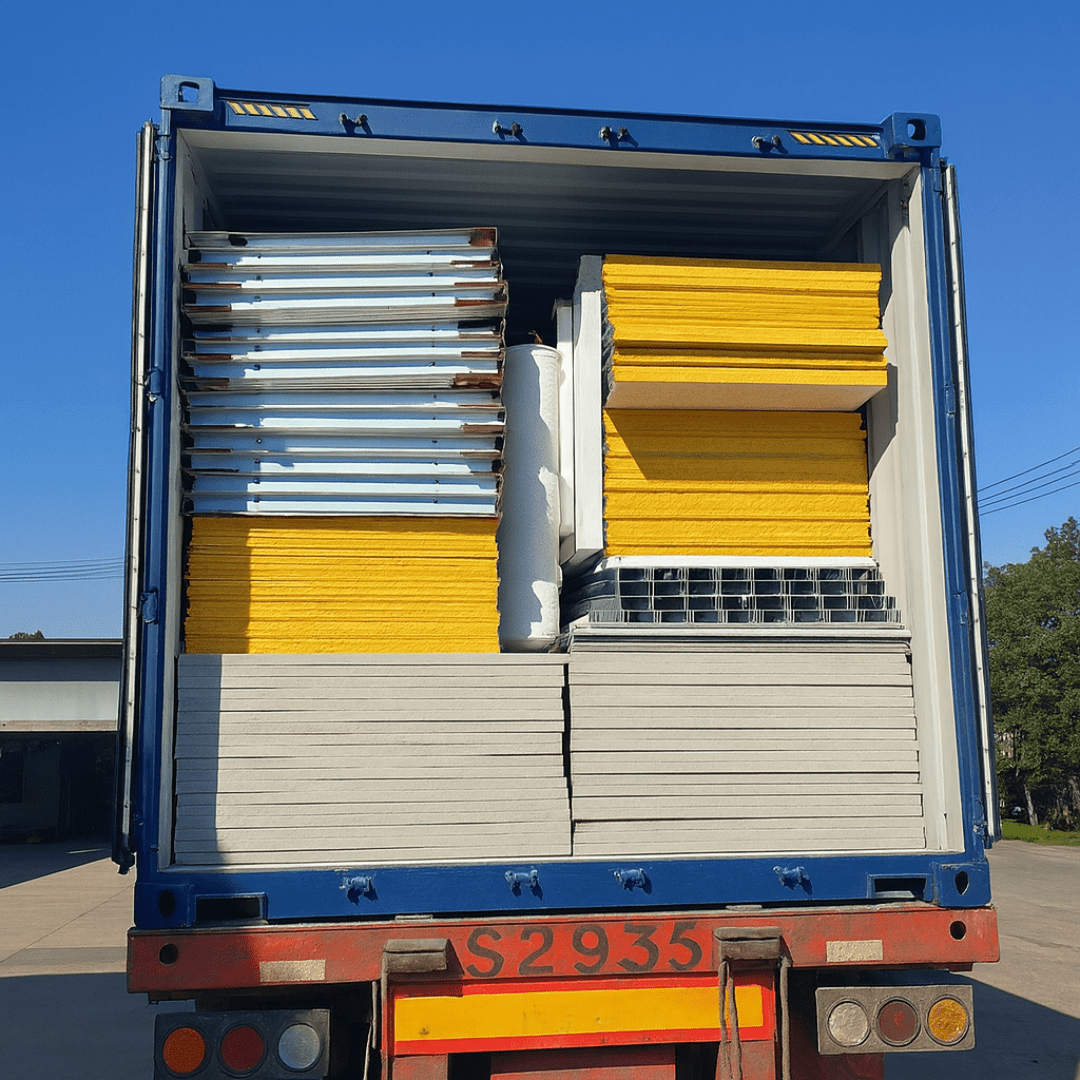
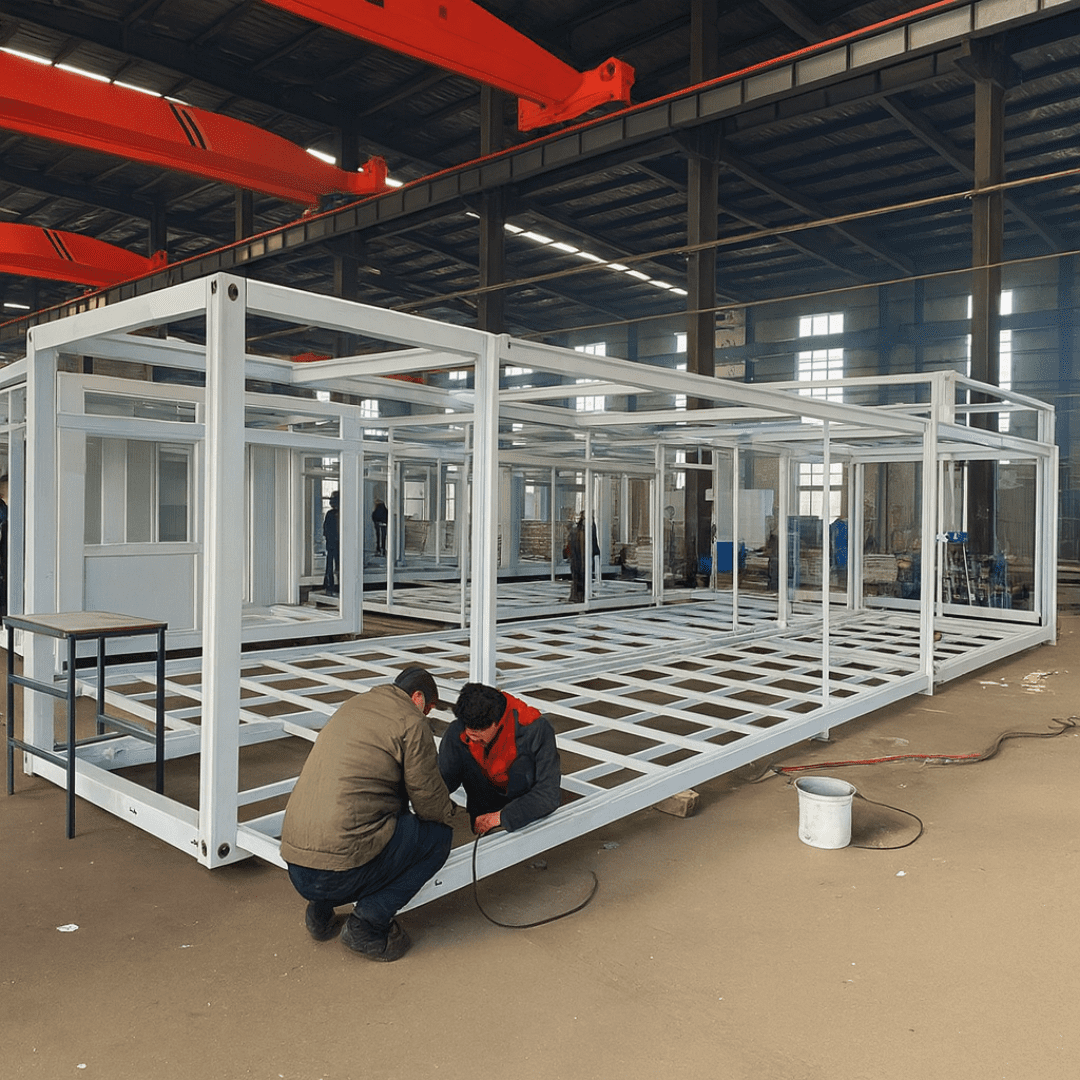
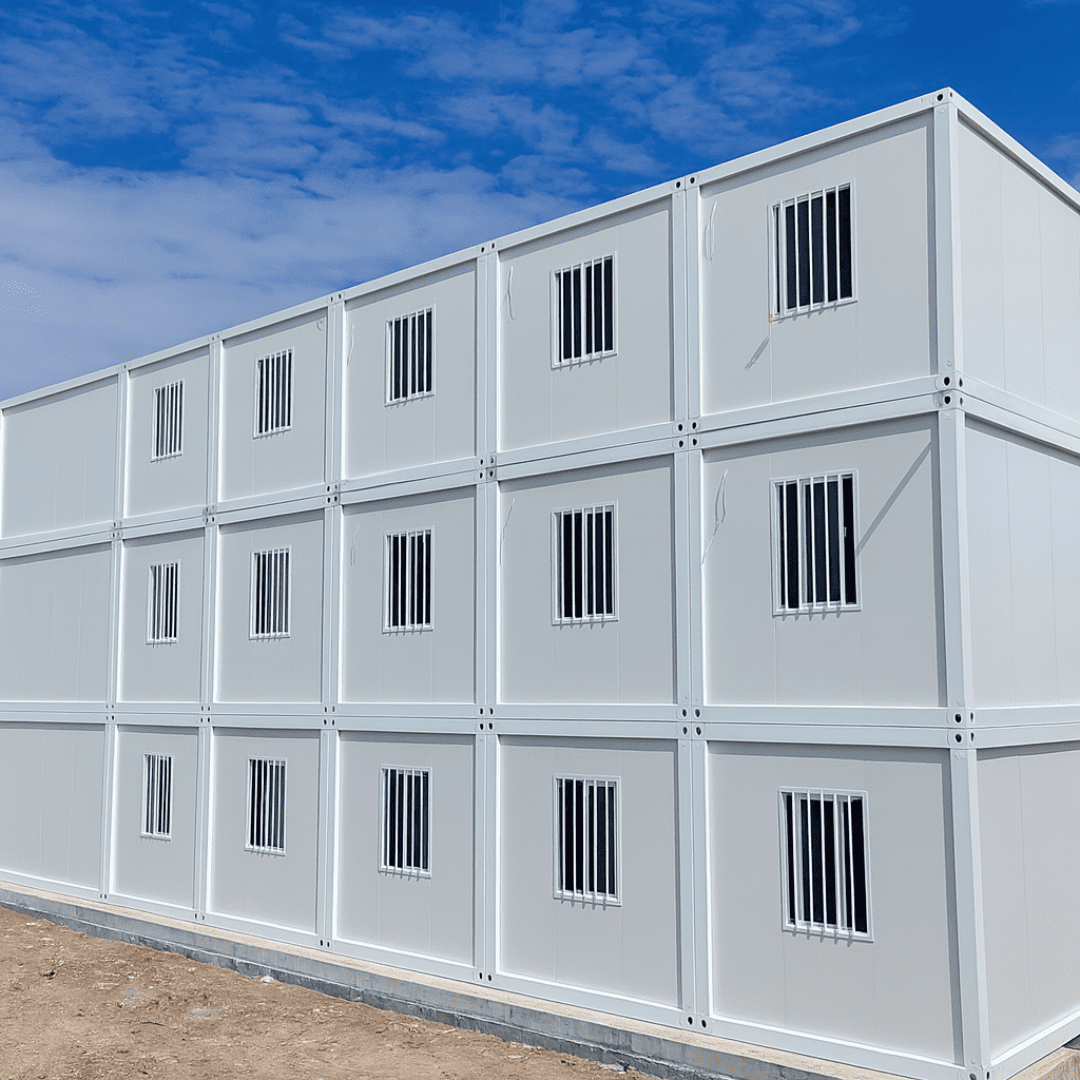
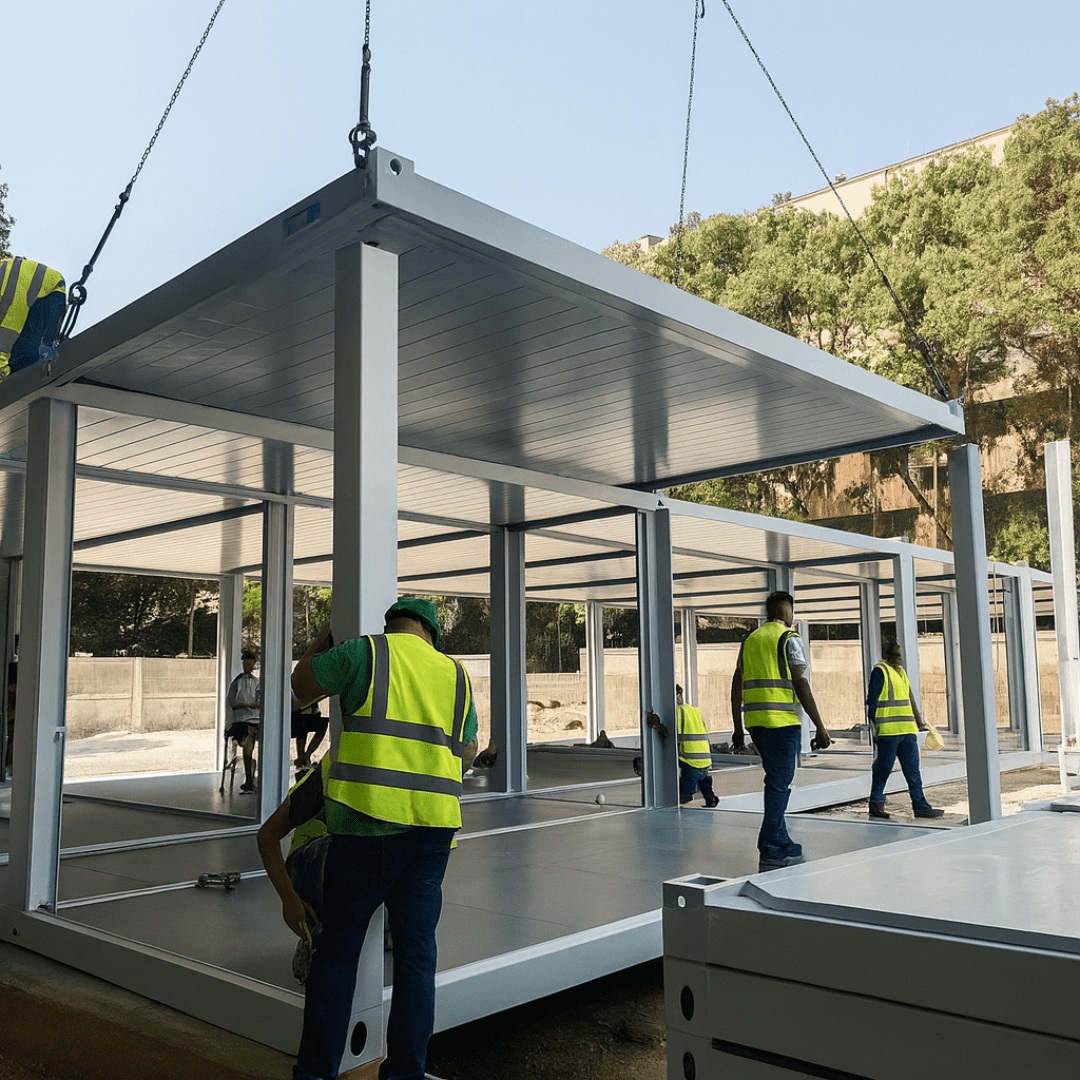
International freight volatility has elevated transport efficiency into a primary engineering constraint. Advanced flat-pack sanitary toilet modules fold down to 1/4th of their assembled height, enabling 4 to 6 complete multi-cubicle modules to fit inside a standard 40ft High Cube container, dramatically lowering landed carbon footprint and ocean freight costs.