The global commercial real estate, eco-tourism, retail pop-up, and municipal infrastructure sectors are undergoing a structural shift toward pre-engineered offsite construction. When procurement managers and project developers search for the China Best Container Kiosk Supplier & Suppliers, the search intent extends beyond basic unit pricing. Enterprise buyers require robust structural performance data, verified structural thermal resistance, compliance with international mechanical, electrical, and plumbing (MEP) codes, and seamless multi-modal logistics execution.
China's industrial supply ecosystem represents over 75% of world capacity for modular pre-fabricated structures. However, vendor variance in metallurgical treatments, sandwich panel density, load distribution framing, and dynamic sealants creates significant procurement risk. Selecting a top-tier Chinese container kiosk supplier requires a thorough technical audit of manufacturing standards, materials traceability, and field installation support mechanisms. This guide evaluates structural innovations, financial efficiency metrics, and future-proofing standards critical for commercial modular investments.
 PCAB Accredited
 D-U-N-S Verified
 PhilGEPS Registered
 SEIPI Member
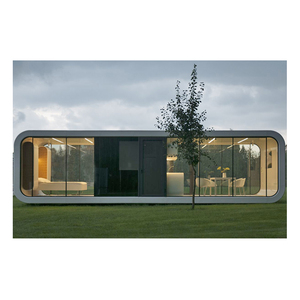
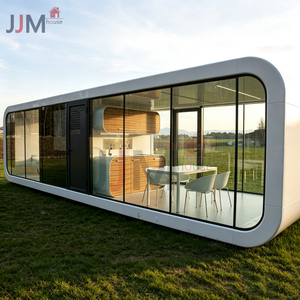
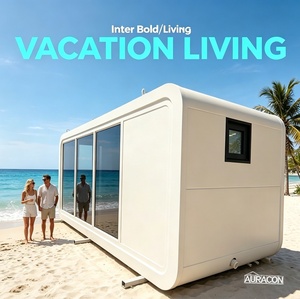
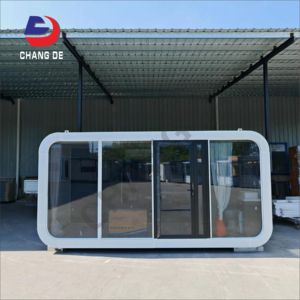
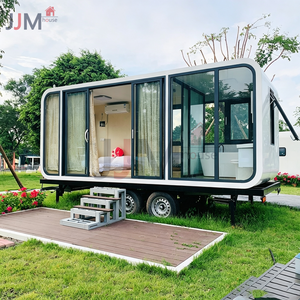
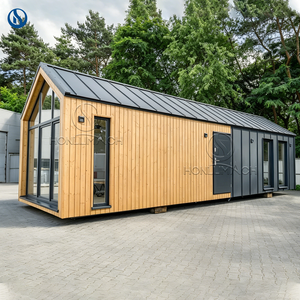
Leading Chinese modular engineers, such as NuPON Prefab, have overhauled traditional container architecture. Legacy container conversions frequently suffered from thermal bridging, internal atmospheric condensation, rust at cut penetrations, and limited lifespan. Modern high-spec commercial kiosks and Apple Cabin pods are designed as integrated, purpose-built structural frames.
Utilizes hot-dip galvanized cold-formed Q235/Q345 structural steel profiles with zinc coating up to 180g/m². Corner posts and main chassis beams are precision-welded to prevent salt-spray degradation and corrosion in tropical marine environments.
Engineered sloped roof structures feature internal perimeter gutter systems feeding integrated downspouts hidden within corner columns. Eliminates exterior runoff staining and guarantees zero water intrusion during sustained monsoon deluges.
Insulation cores use non-combustible high-density Rock Mineral Wool, rigid Polyurethane (PU), or Fire-Retardant EPS (50mm–100mm). Provides exceptional acoustic isolation and thermal conductivity values as low as 0.022 W/m·K.
Structural assemblies are engineered to withstand extreme environmental wind loads (up to 250 km/h) and structural seismic accelerations, adhering strictly to global structural safety standards.
All MEP networks are integrated within internal cavity walls during factory assembly. Pre-installed, certified electrical distribution boards, concealed conduits, and plumbing sub-assemblies ensure immediate site commission.
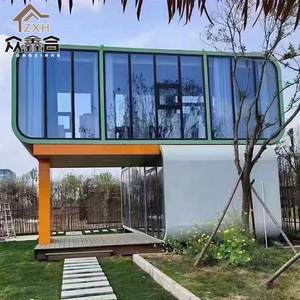
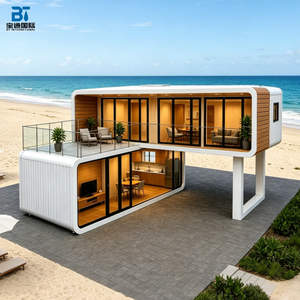
Designed for rapid stackability up to 3 storeys without external structural shoring. Easily connected side-by-side or stacked to create larger commercial spaces, site camps, or luxury hotel complexes.
To assist procurement teams and structural consultants in evaluating supply compliance, the matrix below outlines core engineering benchmarks across standard commercial modular lines available from top tier Chinese manufacturers.
| Structural Parameter | Apple Cabin Series | Flat Pack Container Unit | Z/X Foldable Kiosk Unit | Space Capsule Series |
|---|---|---|---|---|
| Primary Framing | Fluorocarbon Aluminum Alloy Shell + Steel Frame | Hot-Dip Galvanized Cold-Rolled Steel | Galvanized Steel + Heavy-Duty Hinge Assemblies | Aviation-Grade Aluminum Shell + Steel Skeleton |
| Wall Insulation | 100mm PU / Polyurethane Insulation Core | 50-75mm Rock Wool / EPS Sandwich Panel | 50mm Fireproof EPS / Rock Wool Panels | Polyurethane Thermal Insulation Cavity Wall |
| Roof Load / Drainage | 1.5 kN/m² Curved Drainage Shell | 2.0 kN/m² Internal Concealed Downspouts | 1.2 kN/m² Integrated Seal Gasket Drain | Panoramic Curved Multi-layer Waterproof Shell |
| Wind Resistance | Class 12 (Up to 220 km/h) | Class 11 (Up to 180 km/h) | Class 10 (Up to 150 km/h) | Class 14 (Typhoon Grade Up to 250 km/h) |
| Deployment Speed | 100% Factory Finished (Plug & Play) | 4 Crew / 3 Hours per Unit | 4 Crew / 10 Minutes per Unit | 100% Factory Finished (Crane Lift) |
| Shipping Density | 40ft Flat Rack Container | 4 Sets per 40ft HQ Container | Up to 10-14 Units per Flatbed Truck | Specialized Low-Boy / 40ft FR |
The prefabricated building sector is advancing beyond structural framing into smart, sustainable building integration. Leading Chinese suppliers are investing heavily in automated production processes, advanced composite materials, and embedded digital infrastructure to align with global ESG (Environmental, Social, and Governance) targets.
Traditional raw carbon steel containers suffer high degradation rates in coastal and humid climates. Current industry trends favor Fluorocarbon (PVDF) exterior cladding and marine-grade aluminum composite alloys. These materials maintain color retention and structural integrity for over 25 years without requiring exterior painting or seal maintenance.
Commercial container kiosks are increasingly deployed in off-grid retail venues, remote resorts, and municipal public spaces. High-performance units feature integrated building-integrated photovoltaics (BIPV), roof-mounted ultra-thin monocrystalline solar arrays, and internal lithium-iron-phosphate (LiFePO4) battery storage systems. Pre-wired low-voltage DC internal distribution grids allow for efficient operating loops, reducing site electrical infrastructure costs.
Modern commercial container kiosks serve as connected, intelligent assets. Premium suppliers pre-integrate IoT management hubs during factory assembly, offering automated climate control, smart occupancy sensing, remotely managed security locks, digital signage integration, and real-time power analytics. These features streamline operations for franchise networks and multi-unit developers.
Using advanced 3D BIM modelling and DfMA principles, top manufacturers achieve tight manufacturing tolerances within ±1mm. CNC automated laser cutting, robotic welding arms, and automated panel pressing ensure panel squareness and joint sealing. This high precision reduces air infiltration, significantly improving interior thermal efficiency.
Purchasing decisions for modular space require evaluating the Total Cost of Ownership (TCO) rather than just initial factory FOB costs. Financial analysis demonstrates that sourcing prefabricated container kiosks from top-tier Chinese manufacturers can yield 30% to 55% overall savings over traditional build options.
Factory labor specialization, automated metal fabrication, and high-volume material purchasing in China drop capital expenditures per square meter dramatically compared to regional site-built masonry or wood framing.
Traditional commercial retail construction requires 6 to 12 months for site preparation, framing, fitting, and inspections. A prefabricated container kiosk can be deployed, connected to utilities, and operational within days of landing on site.
Unlike fixed brick-and-mortar installations, modular container kiosks are classified as relocatable equipment assets. They can be decommissioned, loaded onto flatbed trailers, and redeployed to high-foot-traffic locations, preserving long-term asset value.
Procurement directors must account for logistics density when sourcing from China. Flat Pack and Foldable Z/X-Type series offer higher freight optimization by fitting multiple folded modules into a single 40ft HQ ocean container, lowering international ocean freight cost per square meter of usable floor area.
Direct technical answers to common questions asked by B2B procurement managers, structural consultants, and project developers when sourcing prefabricated container kiosks and apple cabins.
A high-spec container kiosk features a structural steel skeletal frame, insulated sandwich panel envelope, factory-fitted MEP wiring, and completed interior finishes. Leading suppliers use automated CNC production lines, structural weld inspection, hydrostatic pressure testing for roof assemblies, and comprehensive electrical insulation testing before container dispatch.
Shipping density varies by modular format. Standard Flat Pack container kiosks ship 4 complete knock-down units per 40ft HQ container. Z-Type foldable modules allow up to 10-14 units per flatbed or ocean container structure. Premium Apple Cabins and Space Capsules ship as fully assembled single units via 40ft Flat Rack or specialized low-boy transport.
Yes. Commercial-grade modules from top manufacturers use cold-formed galvanized steel framing engineered for wind loads up to 220–250 km/h (Category 14 typhoons). Sealed perimeter wall panels, EPDM thermal gaskets, and internal concealed column downspouts ensure complete water tightness under heavy monsoon rains.
Top manufacturers routinely customize MEP systems to meet target market regulations. This includes 110V/220V dual-voltage wiring, UL/CE certified electrical distribution components, BS/EU/US socket formats, localized plumbing connections, and specialized fire-rated (Class A) Rock Mineral Wool wall cores.
Container kiosks require minimal ground preparation compared to conventional structures. Depending on soil load-bearing capacity, site foundation options include concrete corner piers, strip footings, compacted gravel beds with concrete sleepers, or ground screws. The module chassis must be set level to maintain door and window alignment.
Fully assembled Apple Cabins and Space Capsules require 1 to 2 hours for crane offloading, level adjustments, and utility hookups. Foldable Z-Type units unfold in 10-15 minutes using a 4-person crew. Flat Pack modules typically require 2 to 4 hours per unit for full mechanical bolt-together assembly.
Buyers should request verified manufacturing certifications including ISO9001 quality management, ISO14001 environmental management, CE structural steel compliance (EN 1090-1), PCAB contractor accreditations, D-U-N-S business verification, and third-party material mill test reports (MTRs) for structural steel lots.
Coastal units require heavy-duty anti-corrosion protection. Specify hot-dip galvanization with a minimum zinc coating of 180g/m², marine-grade epoxy primer coatings, fluorocarbon PVDF exterior aluminum cladding, and stainless steel (316 grade) external fasteners to prevent rust and degradation.
Partner with an accredited manufacturer for high-performance prefabricated container kiosks, office pods, and luxury Apple Cabins. Submit your project requirements, site location specs, or unit layout requests directly to our senior structural engineering team.
Send an Inquiry