Factory-direct OEM/ODM modular sanitary modules, portable chemical toilets, and steel-structured luxury apple cabins engineered for rapid deployment and extreme outdoor environments.
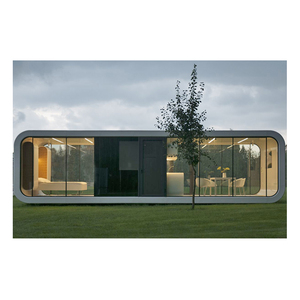
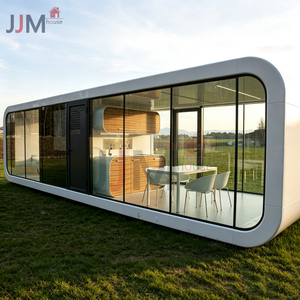
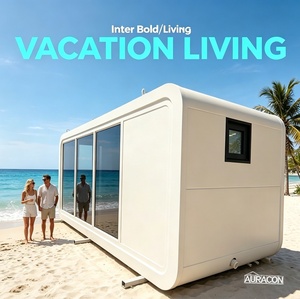
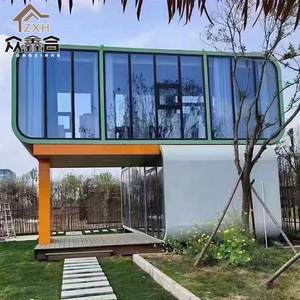
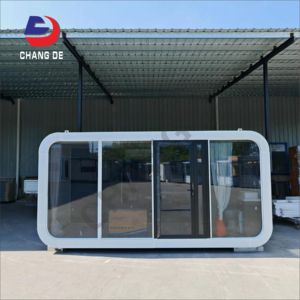
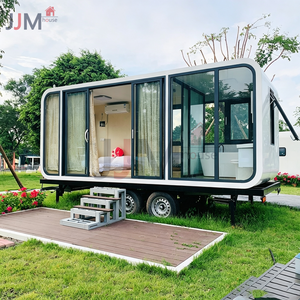
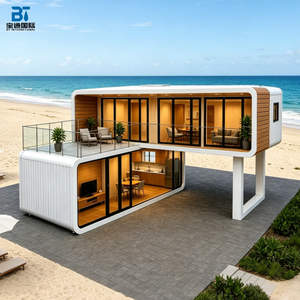
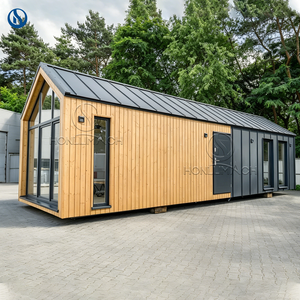
Discover how Chinese portable toilet factories integrate advanced materials engineering, hydraulic efficiency, and anti-corrosion structural frames for global export requirements.
Hot-dip galvanized structural steel chassis providing anti-rust longevity in high-humidity coastal sites and extreme alkaline environments.
Integrated internal downpipes and heavy-rain drainage channels eliminate exterior wall water staining and structural water seepage.
Pre-wired low-voltage DC electrical conduits compatible with roof-mounted photovoltaic solar panels and internal battery storage units.
Engineered structural connections rated to withstand wind pressures up to Category 12 typhoons and high-level regional seismic loads.
50mm to 100mm PU (Polyurethane), Rockwool, or EPS sandwich core panels delivering thermal regulation from -20°C up to +50°C.
Factory-tested hydraulic flush systems, blackwater holding tanks, and international standard plumbing compliant with ANSI/EN/ISO specs.
The global infrastructure, municipal events, mining, construction, and eco-tourism sectors are experiencing a structural transformation in sanitation asset procurement. As international project timelines shrink and sustainability regulations tighten, project procurement managers are shifting away from traditional site-built masonry restrooms toward factory-fabricated modular sanitary cabins and high-density portable toilets. China has established itself as the undisputed primary supply hub for these modular solutions, manufacturing over 70% of the world's pre-engineered outdoor sanitary pods, containerized toilet blocks, and luxury resort apple cabins.
Navigating the Chinese manufacturing ecosystem requires evaluating structural engineering, anti-corrosion surface treatments, plumbing integration standards, and freight loading optimization. This B2B sourcing report examines technical specifications, cost evaluation frameworks, and strategic procurement trends defining China's leading portable toilet manufacturers and suppliers.
China's prefabricated building and portable sanitation manufacturing base is geographically clustered around strategic industrial hubs, each offering distinct specialization:
An industrial-grade portable restroom or containerized sanitary module must withstand continuous public use, frequent site relocation via cranes or forklifts, and severe weather exposure. Premium Chinese suppliers implement rigorous structural guidelines:
| Structural Element | Standard Specification (Entry Level) | Heavy-Duty Industrial Specification (Recommended) |
|---|---|---|
| Frame Chassis | 1.5mm Cold-formed steel, painted finish | 2.5mm - 3.5mm Hot-Dip Galvanized Steel frame with anti-corrosion zinc coating (zinc deposit > 120g/m²) |
| Wall Panel Insulation | 50mm EPS (Expanded Polystyrene) panel | 75mm - 100mm PU (Polyurethane) or Rockwool panel (Class A Fire-rated, high thermal insulation R-value) |
| Floor Structure | 15mm Plywood with PVC vinyl sheet | 18mm Fiber Cement Board + Aluminum Checker Plate or Heavy-Duty Waterproof Epoxy Seamless Resin Coating |
| Sanitary Hardware | Standard plastic / gravity flush fixtures | 304 Stainless Steel vandalism-proof toilets, ceramic water-saving dual flush, or vacuum pressure flush systems |
| Roof & Drainage | Flat roof sheet with external gutters | Pitched leak-proof roof shell with integrated 4-corner internal downpipe drainage channel system |
A critical metric distinguishing superior Chinese portable toilet factories is their internal plumbing engineering. Modern sanitary modules cater to diverse site infrastructure conditions:
A. Direct Sewer Connection Systems: Designed for urban construction sites or parks with municipal water supply and sewage main lines. Units are fitted with standard 110mm PVC waste outlets and 1/2-inch water inlets compliant with local building codes.
B. Self-Contained Holding Tank Systems: Essential for off-grid events or temporary work camps. High-capacity HDPE or rotomolded blackwater tanks (ranging from 250L to 2,000L) are built into the sub-chassis, featuring liquid-level indicator sensors and quick-connect pump-out discharge valves.
C. Eco-Friendly Composting & Incinerating Modules: Deployed in ecologically sensitive national parks or water catchment areas where blackwater discharge is prohibited. These units utilize aerobic dry-composting chambers or electrical/LPG incinerators that turn waste into sterile ash.
As global demand for modular infrastructure accelerates, the specifications for portable toilets and sanitary container pods are evolving rapidly. Procurement teams must anticipate these emerging trends when signing multi-year supply agreements with Chinese factories:
Leading Chinese exporters are integrating Internet of Things (IoT) sensor arrays directly into modular restrooms. Automated features include real-time liquid level monitoring in waste holding tanks, smart usage counter displays, automated air sterilization cycles (utilizing UV-C light and ozone generation), and door sensor analytics. This data allows site facilities managers to optimize cleaning schedules and prevent tank overflows remotely.
Clean energy integration is no longer an option but a requirement for remote project deployments. Modern portable sanitary modules feature rooftop monocrystalline solar arrays paired with Lithium Iron Phosphate (LiFePO4) battery packs. These self-sustaining systems power internal LED lighting, motion-activated ventilation fans, water pressure booster pumps, and smart card access control systems without requiring diesel generator hookups.
The distinction between simple portable toilets and modular living pods is blurring. Commercial projects increasingly order hybrid units—such as the featured Luxury Apple Cabin Pods—which combine executive office spaces, rest areas, and high-end tiled restroom facilities within a single relocatable 20ft or 40ft container footprint.
Selecting the right supplier from China requires evaluating verified quality accreditations, structural testing credentials, and global project execution capability. Our manufacturing and supply ecosystem stands out through certified technical rigor:
Technical and logistics answers provided by senior modular project engineers for international buyers sourcing portable restrooms from China.