Engineered for extreme durability, rapid field installation, and full compliance with international environmental standards.
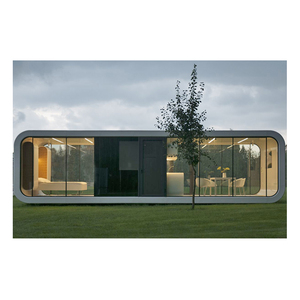
Integrated metallic shell with self-contained plumbing, vacuum flush options, and high-end thermal insulation for executive sites.
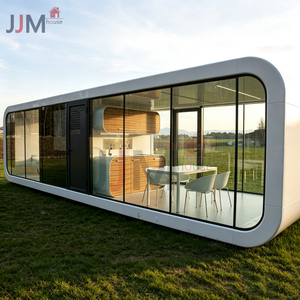
Heavy-duty galvanized frame engineered for high-frequency public deployment, disaster relief, and commercial worker housing.

Panoramic outdoor ablution module with anti-corrosion sandwich panel walls and integrated greywater treatment conduits.
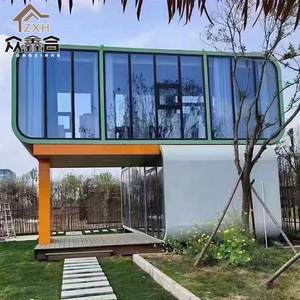
Fully compliant with European building codes, features automated touchless sanitary fixtures and fire-rated insulation.
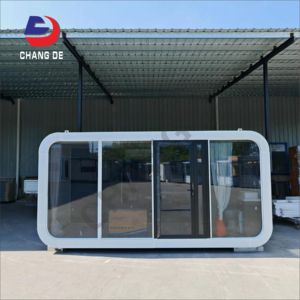
Equipped with solar-ready DC conduits, rain harvesting interfaces, and closed-loop bio-digester tank integration.
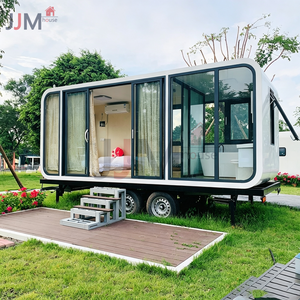
Stackable modular structural frame for high-density public events, municipal parks, and mining site accommodations.
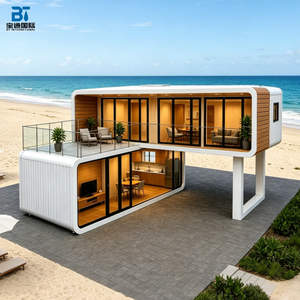
Enhanced ventilation dynamics, moisture-proof interior cladding, and quick-connect hydraulic intake/outflow ports.
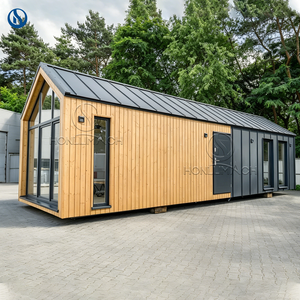
Aesthetic hybrid wood-steel finish engineered specifically for eco-resorts, national parks, and remote glamping hubs.
The global demand for mobile toilets, prefabricated ablution blocks, and modular sanitary pods has experienced an unprecedented structural shift. Historically viewed merely as site utilities for temporary construction projects, high-performance mobile sanitation units have evolved into sophisticated engineering assets. Driven by stringent environmental regulations, rapid urbanization, municipal modernization, and the global boom in eco-tourism, international procurement directors increasingly look to leading manufacturing hubs in China to source high-efficiency, cost-effective, and typhoon-resistant sanitary modules.
As a preeminent manufacturing and supply authority, China accounts for over 60% of worldwide modular sanitary exports. The advantage lies not merely in raw capacity, but in advanced industrial clusters that integrate high-precision cold-formed steel manufacturing, automated FRP (Fiber Reinforced Polymer) molding, eco-friendly composite sandwich panel production, and smart plumbing assemblies under certified ISO quality management protocols.
Information Gain Insight: Modern B2B procurement of mobile toilets extends beyond capital expenditure (CapEx). International buyers must evaluate Total Cost of Ownership (TCO), focusing on freight volume optimization (flat-pack vs. monolithic units), waste treatment scalability (vacuum vs. chemical vs. bio-digester), and structural longevity against severe atmospheric corrosion in coastal and tropical deployment zones.
Under the E-E-A-T framework, real engineering expertise is demonstrated through material science, structural mechanics, and environmental compliance.
Our mobile units feature hot-dip galvanized structural steel chassis (Q235B/Q355B grades) with zinc coating weights reaching up to 275 g/m². This provides superior resistance against rust in humid, high-salinity marine environments.
Utilizing high-density Polyurethane (PU), Rock Wool, or EPS sandwich wall panels (50mm–100mm), our sanitary units achieve thermal transmittance values as low as U = 0.28 W/m²K, reducing energy demands for HVAC climate control.
Featuring single-piece molded FRP floors with integral anti-slip diamond patterns, our units eliminate internal joint seams where moisture typically penetrates, ensuring 100% water-tightness during intense tropical downpours.
| Specification Parameter | Standard HDPE Chemical Unit | Modular Flat-Pack Sanitary Container | Luxury Apple Cabin Ablution Pod |
|---|---|---|---|
| Structural Lifespan | 5 - 8 Years | 15 - 20 Years | 25+ Years |
| Wind Resistance | Up to Category 10 (100 km/h) | Typhoon Grade 12 (130 km/h) | Super Typhoon Grade 15 (180 km/h) |
| Waste System Options | Recirculating / Chemical Tank | Mains Sewer / Bio-Digester | Micro-Flush / Vacuum / Eco-Composting |
| Insulation R-Value | R-2.5 (Basic Polyethylene) | R-14 (PU / Rock Wool Panels) | R-22 (Composite Thermal Break) |
| Shipping Density | 90 units per 40ft HQ (Knockdown) | 4-6 units per 40ft HQ (Flat-Pack) | 1-2 finished pods per 40ft Flat Rack |
Backed by decades of industrial prefab engineering, field experience, and internationally recognized accreditation framework.
Our manufacturing and operational ecosystem, managed in synergy with NuPON Technology Phils. Corp. standards, offers institutional procurement clients a risk-free turnkey supply chain. We address the exact realities of remote jobsite deployments, high-volume public events, and sensitive ecological tourist zones.
Fully PCAB Accredited, D-U-N-S Registered, PHILGEPS Registered, and an active SEIPI corporate member ensuring strict governance.
In-house structural engineers, MEP planners, and compliance officers handling customized CAD/BIM submittals per client request.
Every module undergoes dimensional checks, weld radiography, hydrostatic pipe testing, and 24-hour artificial rain testing before sealing.
Forward-looking analysis for procurement teams evaluating long-term infrastructure investment.
As global sustainability benchmarks tighten, traditional mobile restrooms are being rapidly phased out in favor of circular, smart, and low-carbon modular ablution systems. Buyers planning procurement strategies over the next decade must account for four decisive macro-trends:
Modern export modules are increasingly integrated with smart sensors monitoring waste tank fill percentages, water consumption levels, ambient temperature, and automated UV-C disinfection cycles. This telemetry feeds directly into central facility management software, optimizing pump-out routes and lowering operational labor costs by up to 35%.
Water scarcity in remote mining camps and arid eco-resorts has accelerated the adoption of greywater recycling units. Modern mobile ablution pods process sink water through multi-stage membrane filtration and ozonation, recycling clear water for toilet flushing and reducing site water consumption by up to 70%.
Borrowing technology from aviation and marine industries, vacuum flush systems are replacing gravity toilets in premium modular installations. Using just 0.5 to 0.8 liters per flush (compared to 6 liters for conventional systems), vacuum networks dramatically extend waste tank holding capacities and minimize transport frequency.
Addressing critical technical, regulatory, and commercial inquiries raised by international buyers.
Mobile toilets are exported under three main logistical formats based on order volume and site readiness:
Export-focused manufacturers customize Mechanical, Electrical, and Plumbing (MEP) schematics per destination market specifications. Electrical wiring can be configured for 110V/60Hz (US/Japan standards) or 220V-240V/50Hz (EU/UK/AU standards) with regional breaker protection (CE, UL, SAA, or SASO certified components). Plumbing interfaces utilize standard NPT or BSP threaded connections for seamless integration into local municipal lines or septic holding tanks.
For locations lacking direct access to municipal sewage infrastructure, our export units support three primary off-grid waste solutions: integrated blackwater holding tanks with suction valves, multi-chamber subterranean bio-digester septic tanks, or solar-assisted incinerating toilets for zero-discharge sensitive environmental zones.
Units built with structural steel framing and double-sealed sandwich panels are calculated to withstand wind pressures of up to 1.2 to 2.5 kPa (equivalent to Category 12–15 typhoons). Corrosion resistance is achieved through multi-layer epoxy primer and polyurethane finish coats rated for marine (C5-M) atmospheric environments.
Standard model orders (10–50 units) typically feature a factory production lead time of 14 to 21 calendar days following CAD submittal approval. Custom engineering designs, multi-storey modular ablution complexes, or special material certifications generally require 25 to 35 days prior to container loading.
Full-scale exporters provide comprehensive structural frame warranties ranging from 3 to 10 years depending on structural class, alongside a 12-month replacement guarantee on electrical components, pumps, valves, and hydraulic fittings. Spare parts packages (seals, flush valves, door hardware) are routinely included within export crate shipments.