Technical analysis on structural thermodynamics, regulatory compliance, and rapid expansion capabilities for B2B buyers across the Russian Federation.
The demand for expandable container houses and advanced modular prefabricated structures across the Moscow metropolitan region and surrounding Moscow Oblast has experienced a structural shift. As urbanization, commercial infrastructure development, and private suburban dacha modernizations accelerate, traditional masonry construction encounters persistent friction: severe winter weather delays, rising labor costs, strict environmental site regulations, and extended project timelines. Expandable container houses represent a zero-compromise architectural solution, combining factory-controlled precision with rapid hydraulic or manual double-wing expansion systems.
Operating as a primary direct manufacturer and global supplier serving Moscow B2B enterprises, our structural designs account directly for the micro-climate realities of Central Russia. A standard expandable unit transitions from a compact 2.2-meter transport footprint into a spacious 6.4-meter wide residential or commercial facility within hours. However, deploying expandable structures in Northern and Eastern European climates requires far more than basic folding mechanics; it demands strict adherence to local building codes, GOST certification standards, and SNiP structural load mandates.
Navigating the winter conditions of Moscow requires precise structural calculations. The Russian SNiP 2.01.07-85 standard designates Moscow within Snow Region III, requiring roofs to withstand static snow loads of up to 2.4 kPa (approximately 240 kg/m²) along with gusting wind pressures. Standard export prefab units frequently collapse or deform under these conditions due to undersized purlins or weak hinged joints.
Our engineered expandable house series integrates hot-dip galvanized C-channel floor trusses, heavy-gauge roof beams, and integrated internal rainwater/meltwater drainage channels designed to prevent ice-damming along exterior eaves. The table below outlines how our modular engineering surpasses standard market offerings for Moscow B2B buyers:
| Engineering Specification | Standard Export Prefab House | Moscow-Grade Gen 2 Expandable System | Operational Advantage |
|---|---|---|---|
| Structural Frame Steel | 1.5mm–2.0mm Painted Steel Frame | 2.5mm–3.5mm Hot-Dip Galvanized Frame | Corrosion resistant against de-icing salts & snow melt |
| Insulation Core Material | 50mm EPS Panel (R-Value ~1.3) | 75mm–100mm High-Density PIR/PIR-Fire (R-Value > 4.0) | Prevents thermal loss; lowers heating electrical loads by 55% |
| Thermal Bridge Elimination | Direct Metal-to-Metal Wall Contacts | Integrated EPDM Thermal Break Strips | Zero indoor frost condensation on steel columns at -30°C |
| Roof Snow Load Rating | 0.8 kPa – 1.2 kPa | 2.4 kPa – 3.0 kPa Reinforced Roof Purline | Fully compliant with Moscow Oblast winter accumulation |
| Window & Door Schedules | Single/Double Glazed Aluminum | Argon-Filled Low-E Triple Glazed PVC Frames | Acoustic isolation & maximum passive solar retention |
Furthermore, floor construction utilizes heavy-duty cement fiber boards over-coated with wear-resistant PVC flooring or optional SPC click-lock planks. This composite assembly resists moisture absorption from frost-heave ground moisture while accommodating underfloor electric radiant heating mats—a highly popular feature for residential suburban dacha projects around Odintsovo, Istra, and Krasnogorsk.
Versatile modular deployments customized for industrial, commercial, residential, and eco-tourism sectors.
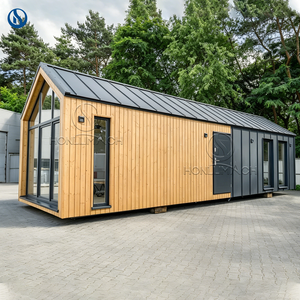
Ideal for rapid deployment in suburban territories like New Moscow (Novaya Moskva). Homeowners gain a fully insulated 37m² or 74m² turnkey residence with zero structural foundations, avoiding long municipal planning permissions while gaining year-round comfort.
Large infrastructure developers along the MKAD (Moscow Ring Road) and M-12 Highway expansion rely on our multi-wing expandable units as mobile site offices, worker dormitories, canteen facilities, and heated control pods that relocate cleanly when project phases complete.
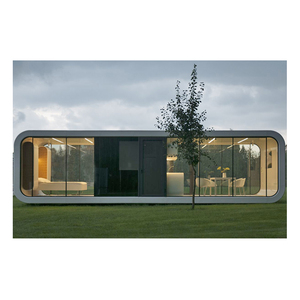
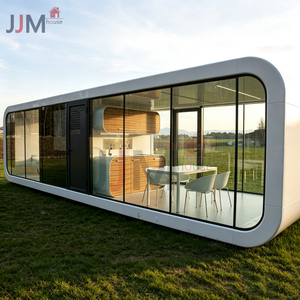
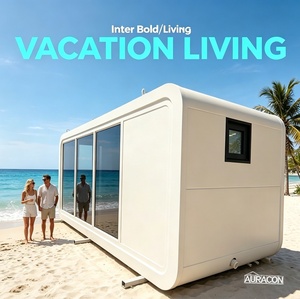
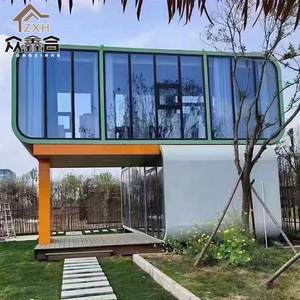
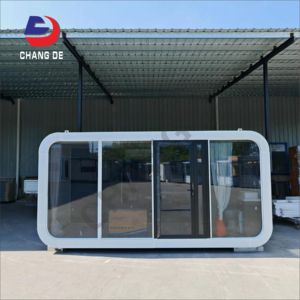
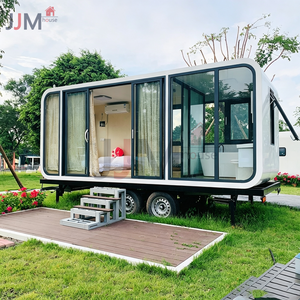
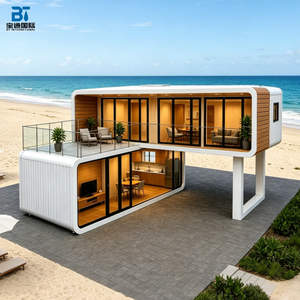
Hospitality operators in forest zones around Zvenigorod and the Oka River Valley deploy our Apple Cabins and Space Capsules for high-ADR (Average Daily Rate) glamping assets. These units feature panoramic double-sealed tempered glass for forest views regardless of snow cover.
Major distribution centers near Sheremetyevo, Domodedovo, and Vnukovo airports use modular expandable hubs for administrative check-in, customs clearance stations, and staff sanitation pods requiring rapid compliance with GOST sanitary regulations.
City utility departments deploy foldable and expandable units during emergency utility repairs, seasonal medical screening kiosks, or temporary winter heating shelters across district municipalities.
Modern retail operators take advantage of the expandable fold-out wings to create temporary showrooms, ski resort rental stations, and seasonal food courts that open in autumn and pack away by spring without leaving permanent land traces.
The prefabricated modular construction market within Russia and neighboring EAEU member states is experiencing an accelerated compound annual growth rate (CAGR). Key market catalysts driving the adoption of expandable container houses include:
Why Moscow B2B Procurement Managers Partner With Our Manufacturing Facilities
As an established global prefabricated structure manufacturer and supplier backed by robust engineering expertise (including PCAB accreditation, D-U-N-S registration, and SEIPI technical alignment), we deliver project-tested structural integrity. Our manufacturing facilities utilize automated roll-forming machines, laser-guided welding lines, and specialized thermal paint curing chambers that safeguard steel frames against severe oxidation.
Every structural beam, sandwich panel core, and electrical wire bundle is supplied with traceable mill test reports, fire resistance certificates (GOST-standard equivalents), and environmental non-toxicity compliance documents.
Before containerized packing, every expandable house undergoes trial folding and hydraulic expansion testing at our factory site. Alignment of seals, lock boxes, structural hinges, and factory-fitted plumbing is verified under strict QC checklists.
We supply complete engineering drawings (CAD/BIM models), structural calculation sheets, electrical schematics, and packing lists structured specifically to streamline Russian customs clearance procedures at regional land ports and terminal hubs.
Direct answers from our senior modular engineering team regarding climate resistance, installation, and delivery.
Partner with a verified manufacturer. Contact our technical engineering desk today for structural drawings, factory pricing, loading stowage plans, and thermal calculations tailored to your Moscow project site.
Get a Quote