Engineered specifically for Brazil’s varied climatic zones—from the humid Amazon Basin to the high-solar radiation regions of Mato Grosso—our expandable container homes, luxury apple cabins, and space pods deliver turn-key structural integrity.
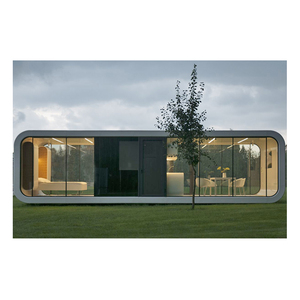
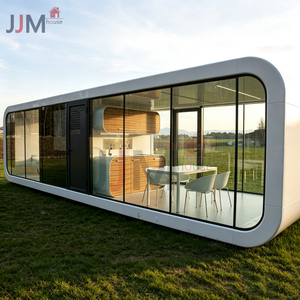
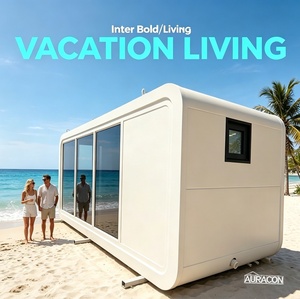
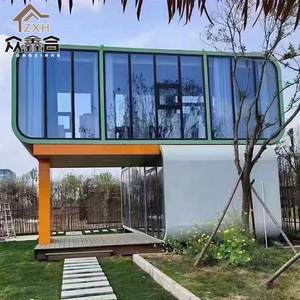
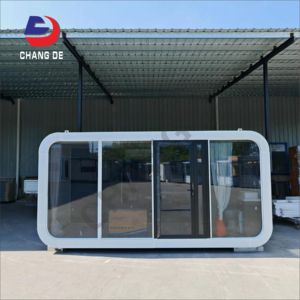
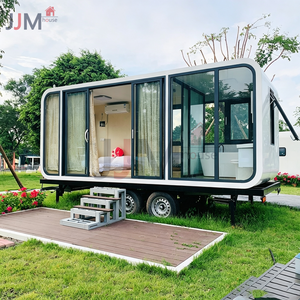
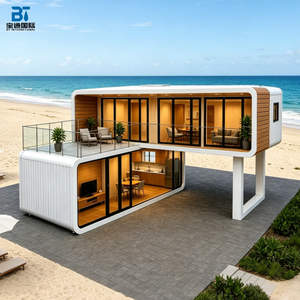
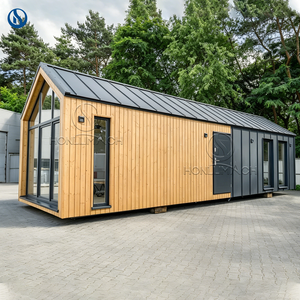
The Brazilian modular construction sector is undergoing a structural paradigm shift. Driven by skyrocketing traditional masonry (alvenaria) costs, severe labor shortages in remote interiors (such as Mato Grosso, Pará, and Tocantins), and tight timelines on major PAC infrastructure projects, engineering firms and corporate procurement managers are turning to factory-prefabricated container structures.
However, importing modular buildings into Brazil presents complex technical requirements. Buildings must withstand intense ultraviolet exposure, high heat index levels, torrential tropical precipitation, and conform strictly to Brazilian National Standards (Normas Brasileiras - ABNT NBR).
Our Gen 2 Expandable Container Homes and Apple Cabins are engineered from the ground up to solve the three primary failure points typical of lower-grade modular imports in South America:
Standard steel containers suffer from extreme thermal bridging under Brazilian solar radiation. Our expandable units utilize high-density polyurethane (PU) or rock wool cores with thermal break profiles, reducing interior temperatures by up to 12°C relative to ambient external air without HVAC intervention.
Monsoon-like tropical rain storms in Southeast and Northern Brazil rapidly overload surface-mounted roof joints. Our structural roof system incorporates fully integrated, concealed perimeter downspouts capable of handling over 250 mm/hour rainfall intensity with zero water intrusion.
For coastal deployments near major ports (Santos, Paranaguá, Suape) or high-humidity Amazon environments, structural steel chassis are hot-dip galvanized (Z275 coating) and treated with epoxy primer plus fluorocarbon finish coats to resist salt air degradation.
From vast agricultural estates (Fazendas) in the Center-West to ecotourism lodges along the Atlantic Forest and Amazon basin, our expandable modular homes solve critical operational challenges.
In major agricultural hubs like Sorriso, Rondonópolis, and Barreiras, seasonal workforce housing demands are acute. Traditional construction is slow and creates permanent footprint issues. Our 20ft and 40ft Expandable Modular Homes arrive pre-wired (compliant with NBR 5410) and fold out to create 3-bedroom living spaces with kitchenettes and complete sanitary modules within hours.
High-end eco-lodges in locations like Jericoacoara, Chapada dos Veadeiros, and Manaus require high-value, aesthetic accommodation units that do not damage delicate local ecosystems. Our Luxury Apple Cabins and Panoramic Space Capsules offer zero-footprint foundations (screw-pile mounted), panoramic double-glazed Low-E glass walls, and plug-and-play sanitary hookups.
Mining operations in Carajás or iron ore projects in Minas Gerais require robust, non-combustible accommodation blocks that comply with strict labor welfare standards. Our stackable modular container units serve as site command centers, dormitory complexes, dining halls, and mobile first-aid posts capable of withstanding rough industrial use.
Metropolitan municipal projects and commercial brands in São Paulo, Rio de Janeiro, and Curitiba leverage our Apple Cabins and Expandable Pods for fast-tracked retail pop-ups, security control centers, medical triage modules, and urban administrative kiosks without navigating years of municipal building permits.
Understanding how regulatory shifts, ESG mandates, and logistical evolution are shaping procurement strategies for B2B buyers across Brazil.
Our manufacturing facility directly aligns structural production with Brazilian tax, import, and technical requirements.
Mandatory performance standards for thermal, acoustic, and structural safety in residential prefab buildings.
Factory fabrication cuts on-site construction waste by up to 90%, aiding corporate carbon neutral audits.
Optimized flat-pack shipping dimensions engineered for standard 40ft HQ containers to Port of Santos & Manaus Free Trade Zone.
HS Code optimization (8905/9406) for smooth Customs Clearance (Despacho Aduaneiro) in Brazil.
| Engineering Metric | Traditional Brazilian Masonry (Alvenaria) | Expandable Modular Container Home (NuPON) |
|---|---|---|
| Construction Speed | 6 to 12 Months | 15 to 45 Days (Turn-key) |
| Thermal Conductivity (U-Value) | 1.8 - 2.4 W/m²K (Uninsulated Brick) | 0.32 - 0.45 W/m²K (75mm PU Sandwich Panel) |
| Site Waste Output | High (15-25% Material Loss on site) | Near Zero (< 2% Factory Controlled Precision) |
| Labor Dependency | Heavy (Masons, Carpenters, Electricians) | Minimal (3-4 General Workers for Unfolding) |
| Relocation Flexibility | Zero (Permanent Demolition Required) | 100% Re-foldable & Movable via Flatbed Truck |
| Seismic & Soil Settlement Resistance | Prone to Structural Cracking | Flexible Q355B Steel Frame Absorbs Ground Movement |
NuPON Technology Phils. Corp. (NuPON Prefab) brings robust international engineering compliance, heavy industrial manufacturing capacity, and complete export documentation support for B2B buyers serving Brazil.
Our state-of-the-art automated production lines utilize high-precision CNC laser cutting, robotic welding, and automated sandwich panel lamination to guarantee exact structural tolerances on every module.
Every expandable house and apple cabin undergoes a rigorous 4-stage inspection protocol: hydrostatic roof water test (24 hours), weld integrity testing, electrical insulation checks, and mechanical fold/unfold verification.
Our expandable modular homes are dimensionally engineered to fit up to 2 full 20ft units or 1 fully configured 40ft expandable unit per standard 40ft High Cube (HQ) ocean container, drastically lowering ocean freight rates to Brazil.
 PCAB Accredited
 D-U-N-S Registered
 PHILGEPS Certified
 SEIPI Member
Detailed answers to essential technical, tax, logistical, and assembly questions for Brazilian importers, contractors, and developers.
Our modular container homes are exported under standardized Harmonized System (HS) Codes—typically HS 9406.90 (Prefabricated Buildings). We provide a complete export documentation package including Commercial Invoice, Packing List, Certificate of Origin, and Bill of Lading (B/L). We work closely with your Brazilian customs broker (Despachante Aduaneiro) to ensure accurate tax classification and minimize clearance delays at major ports such as Santos, Paranaguá, or Suape.
Yes. Structural components are engineered in accordance with international design standards that satisfy key ABNT criteria. The steel frame design aligns with structural safety codes (NBR 8800), electrical conduits and breaker panels are configured to 110V/220V 60Hz standards (NBR 5410), and wall sandwich panels satisfy thermal performance requirements under NBR 15575. Custom panel density (PU vs EPS vs Rock Wool) can be specified based on your local municipality guidelines.
Transit times from our primary export manufacturing hubs to major Brazilian ports (Santos, Rio de Janeiro, Paranaguá, Salvador, and Suape) average 30 to 42 ocean days. For inland deliveries (e.g., Manaus via Amazon river barge or interior Mato Grosso via flatbed truck), we provide fully seaworthy export packing, corner-casting protection, and moisture-absorbent container lining to ensure zero transit damage.
Our expandable homes incorporate Gen 2 double-folded rubber gasket seals (EPDM weather-stripping) at every hinge and seam. Combined with concealed internal roof drainage systems, water is channeled safely away from wall joints even during 200+ mm/hour tropical downpours. The hot-dip galvanized chassis prevents rust buildup, making them ideal for rainforest or coastal humidity.
Unlike permanent masonry requiring heavy concrete footings, expandable container homes require only a level ground surface. Simple perimeter concrete piers, compacted gravel beds, or helical screw piles are sufficient. This drastically reduces site preparation costs and enables fast setup even on sloping or remote farm lands (Fazendas).
Absolutely. We customize electrical fit-outs to meet Brazilian dual-voltage norms (127V / 220V 60Hz) with ABNT NBR 14136 standard 3-pin sockets. Plumbing pipes and drain fixtures are pre-installed using standard ISO/PPR dimensions to allow effortless connection to local municipal water mains or septic tanks on site.
Whether you are procuring workforce housing for an agricultural site in Mato Grosso, building an eco-resort in Amazonas, or contracting an infrastructure project in São Paulo, our engineering desk is ready to assist.