Standardized, ISO-certified modular sleeping solutions engineered for immediate deployment across Seattle tech hubs, Pacific Northwest eco-resorts, and urban micro-accommodation developments.
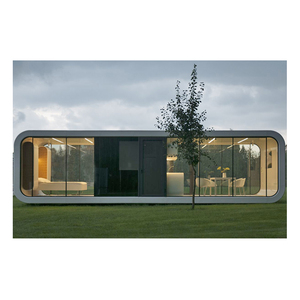
Thermally insulated fluorocarbon aluminium shell with integrated LED ambient controls. Optimized as an executive resting unit or garden office pod.
Get a Quote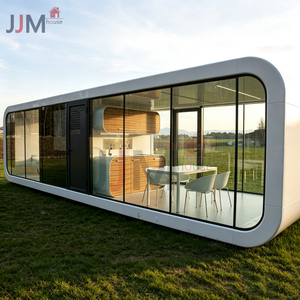
Heavy-duty galvanized Q235B frame capsule with curved tempered panoramic glass walls. Built for rugged Pacific Northwest terrain and hospitality projects.
Get a Quote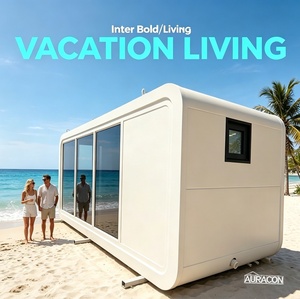
High-density polyurethane insulation pod designed for boutique eco-resorts, homestays, and commercial glamping developments near Mt. Rainier.
Get a Quote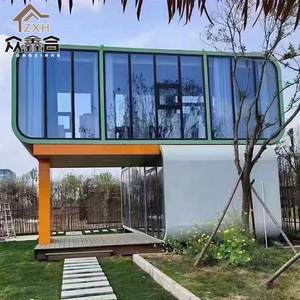
Fully self-contained sleeping unit with built-in bathroom, HVAC heat-pump integration, and sound-isolated interior wall assemblies.
Get a Quote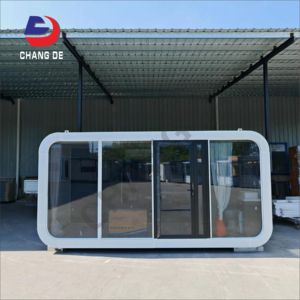
Features pre-wired solar-ready conduits, low-VOC finishes, and vapor-permeable rain-screen cladding suitable for moist coastal environments.
Get a Quote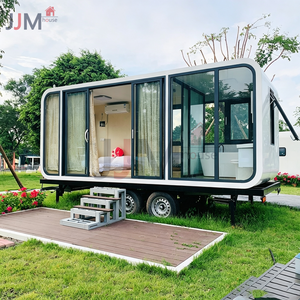
Stackable modular structural system enabling multi-key sleeping layouts for workforce housing, urban micro-apartments, or high-density hotels.
Get a Quote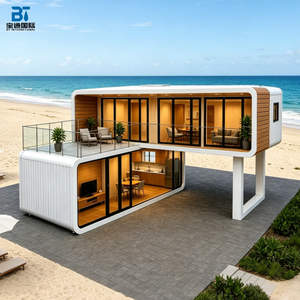
Large-format sleeping module incorporating sandwich panel thermal breaks, dual sleeping zones, integrated kitchenette, and quiet ventilation.
Get a Quote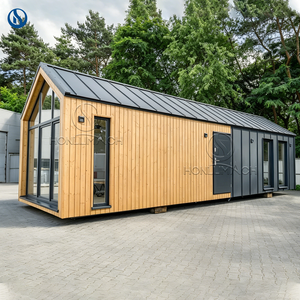
Pacific Coast aesthetic tiny home pod combining pre-engineered steel chassis stability with warm wood interior paneling for hospitality use.
Get a QuoteAs Seattle continues to solidify its position as North America’s premier technological innovation hub—anchored by corporate giants in South Lake Union, Bellevue, and Redmond—the demand for targeted human-rest architecture has expanded exponentially. Modern micro-accommodation goes far beyond basic shelter; it requires precise engineering of acoustic isolation, micro-climate environmental control, and rapid factory-built scalability.
Procuring industrial-grade sleeping pods and prefabricated Apple Cabins in the Greater Seattle Metropolitan Area demands rigorous adherence to regional environmental and municipal factors. From complying with the stringent moisture-mitigation mandates of the Pacific Northwest (PNW) marine climate zone to meeting Washington State Energy Code (WSEC) thermal performance metrics and Cascadia Subduction Zone (Seismic Zone 4) structural load ratings, off-site manufactured pods represent a sophisticated nexus of mechanical, civil, and industrial design.
This whitepaper establishes the benchmark performance criteria, manufacturing standards, and supply chain logistics required by B2B buyers, commercial architects, corporate real estate directors, and hospitality operators sourcing sleeping pod units directly from primary manufacturing facilities serving the Port of Seattle and Port of Tacoma maritime corridors.
Engineered configurations tailored to specific urban, industrial, and ecological topographies in Washington State.
Deployed in corporate complexes throughout South Lake Union, Downtown Seattle, and Bellevue. These sound-proofed sleeping pods provide high-density software engineering teams with bio-rhythm restorative spaces, featuring integrated HEPA air filtration and circadian LED lighting system controls.
Positioned near Seattle-Tacoma International Airport (SEA) corridors and logistics terminals. Micro-sleeping capsules offer hourly pay-per-use rest environments for flight crews, stranded travelers, and logistics operators needing immediate acoustic separation from high-decibel transit operations.
From the Olympic Peninsula to the Cascade Mountains and San Juan Islands, our insulated Apple Cabins serve as resilient, plug-and-play glamping suites. Built with zero-ground-disturbance foundation mounts to preserve delicate PNW forest ecosystems.
Compliant with Seattle's land-use zoning regulations for Detached Accessory Dwelling Units (DADUs). Factory-built Apple Cabins provide homeowners in neighborhoods like Ballard, Fremont, and Capitol Hill with turnkey rental income pods or multi-generational living units.
Heavy-duty steel container pods installed along the Port of Seattle terminals, shipyard facilities, and industrial manufacturing plants. Engineered with anti-corrosive marine paint coats to withstand salt fog, continuous drizzle, and industrial noise.
Rapidly deployable sanitary sleeping cabins for medical personnel, regional emergency response teams, and disaster relief programs across King County, ensuring clinical staff maintain operational focus during high-demand medical emergencies.
Designing modular sleeping capsules for the microclimates of Western Washington requires solving three key environmental challenges: unrelenting moisture exposure, high seismic risk, and strict energy preservation codes.
| Engineering Parameter | Standard Import Pod Specification | NuPON Seattle-Grade Factory Specification | Compliance Advantage |
|---|---|---|---|
| Structural Chassis | Standard Mild Steel Paint Frame | Hot-Dip Galvanized Q235B Steel Chassis | Rust-proof protection against 150+ annual days of Seattle drizzle. |
| Thermal Envelope (R-Value) | 50mm EPS Panel (R-11) | 100mm PU / Rockwool Core + PIR Board (R-25 to R-30) | Fully complies with Washington State Energy Code (WSEC) standards. |
| Acoustic Isolation | STC 28 - Single Glass | STC 45+ Double-Glazed Argon Low-E + Acoustic Dampening | Eliminates ambient urban traffic, airport, and rain impact noise. |
| Seismic Rating | Standard Dynamic Design | Cascadia Subduction Zone (Seismic Design Category D2) | Structural flexibility preventing joint shear during earthquake events. |
| Moisture Barrier | Single Silicone Sealant Joints | Concealed Internal Drain Gutters & Vapor-Permeable Rain-Screen | Guarantees zero roof ponding or internal mold growth. |
| Electrical Systems | 220V Standard Wiring | Dual 110V/220V UL-Listed Components & Pre-Wired Solar Conduits | Immediate grid hookup or off-grid solar integration in Washington State. |
Providing institutional buyers with complete supply chain transparency, engineering certifications, and strict quality control.
NuPON Technology operates under internationally recognized ISO9001 and ISO14001 production protocols. Our prefabricated units are PCAB-accredited, D-U-N-S registered, and engineered to meet stringent international building guidelines.
Our dedicated team of structural engineers, MEP specialists, and CAD/BIM designers support your project from initial floor plan modification to landed load-stowage optimization for container shipping into PNW ports.
We streamline international procurement by issuing custom container stowage plans with every technical quotation. Units are flat-packed or pre-assembled in 40ft HQ ocean containers, ensuring optimal freight density and landing cost accuracy.
Addressing essential technical, regulatory, and shipping queries for commercial procurement managers in Washington State.
Commercial prefabricated buildings installed in Washington State typically fall under the Department of Labor & Industries (L&I) Factory Assembled Structures (FAS) program. NuPON works directly with commercial buyers to provide structural calculations, electrical single-line diagrams, and MEP submittals required for local Seattle Department of Construction and Inspections (SDCI) approval.
Factory production for standard sleeping pods or Apple Cabins typically takes 15–25 calendar days depending on order volume. Direct ocean transit from main manufacturing ports to the Port of Seattle or Port of Tacoma averages 14–20 days. Including customs clearance and drayage, total lead time is generally between 35 and 50 days.
Units serving the PNW region feature an upgraded thermal envelope consisting of 100mm high-density polyurethane (PU) or rockwool insulation with thermal breaks. Acoustic insulation includes double-glazed Low-E tempered glass filled with argon gas and multi-layered sound-dampening interior panels that achieve an STC 45+ rating, reducing outside rain patter to a barely audible murmur.
Yes. All electrical wiring, breaker panels, internal LED circuits, USB charging ports, and HVAC outlets are factory-installed to US National Electrical Code (NEC) standards, rated for 110V/60Hz single-phase or three-phase power. Breakers and outlets utilize UL-listed components.
Because our pods feature an engineered hot-dip galvanized steel chassis, full concrete foundation slabs are often unnecessary. Units can be placed on concrete piers, helical screw piles, or level gravel beds with foundation blocks. This drastically simplifies installation on sloped PNW properties or temporary corporate lease sites.
Connect directly with our senior engineering team to receive full CAD drawings, thermal compliance files, landed freight estimates to Seattle, and custom module quotations.