High-durability, UV-resistant, and climate-adapted mobile sanitary pods designed for Ethiopian mining operations, construction camps, eco-resorts, and municipal infrastructure projects.
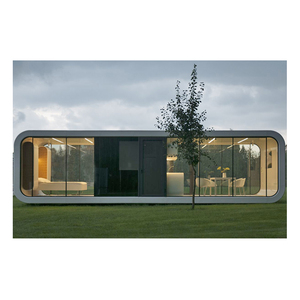
Integrated luxury mobile restroom and office pod built with hot-dip galvanized frame, fluorocarbon aluminum alloy shell, and insulated interior wall panels.
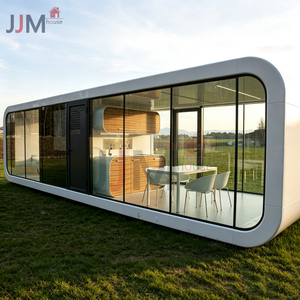
Heavy-duty 20ft and 40ft modular ablution containers featuring multi-stall layouts, commercial plumbing systems, anti-slip aluminum flooring, and ventilation.
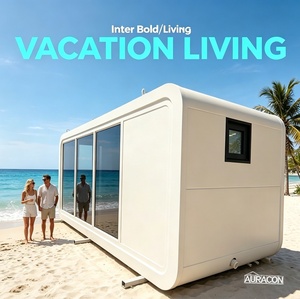
Weatherproof luxury mobile sanitation pod tailored for high-altitude resort developments like the Simien Mountains and Lake Tana tourist destinations.
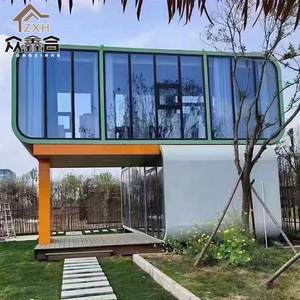
Pre-wired and pre-plumbed smart container restrooms equipped with water-saving vacuum flush systems, water heaters, and heavy-duty EPS insulation panels.
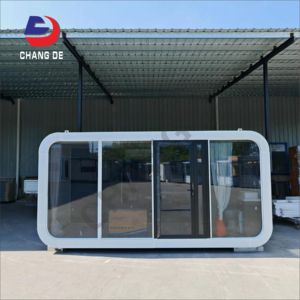
Solar-ready off-grid mobile sanitation cabin ideal for remote mining projects in Afar and infrastructure works with zero access to municipal sewer mains.
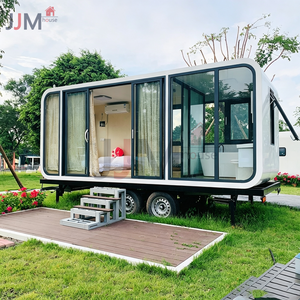
Stackable 2-storey modular container restroom complexes optimized for high-density industrial parks and massive worker housing settlements.
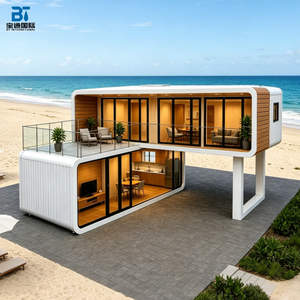
Ultra-compact shipping footprint allowing up to 4 to 8 sets per 40ft HQ container. Fast bolt-together assembly with integrated ceiling ventilation.
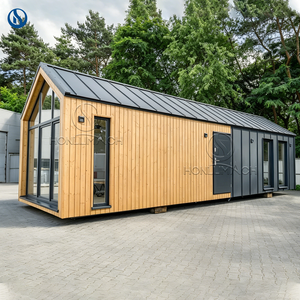
Aesthetic hybrid wood-grain finished modular mobile bathroom unit designed for boutique hospitality, municipal parks, and public plazas.
Ethiopia is experiencing an unprecedented industrial transformation. As East Africa’s second-most populous nation, driven by grand infrastructure initiatives such as the Grand Ethiopian Renaissance Dam (GERD), the expansion of industrial parks (Hawassa, Bole Lemi, Kombolcha, Kilinto), and massive urban renewal projects across Addis Ababa, the demand for rapid-deployment, heavy-duty mobile sanitation systems has escalated exponentially. Municipal authorities, international civil contractors, and mining consortia are increasingly shifting away from traditional masonry ablution facilities toward prefabricated mobile toilets manufactured in China.
The operational logic behind sourcing mobile toilet units from specialized Chinese manufacturers lies in **speed of deployment, structural resilience, cost predictability, and material engineering**. Traditional site-built masonry restrooms in Ethiopia suffer from long construction timelines, supply chain bottlenecks for basic materials like cement and ceramic fixtures, and severe degradation under extreme weather conditions—ranging from high UV radiation at high elevations to expansive black cotton soils that crack conventional foundations.
Information Gain Key Metric: Prefabricated Chinese mobile toilets cut site commissioning time by 75% compared to civil construction in Ethiopia. Importing standardized containerized ablution blocks through Djibouti Port delivers landed cost savings of 30% to 45% per stall over a 5-year project lifecycle.
By leveraging advanced factory pre-assembly in China, complete ablution blocks—inclusive of hot-dip galvanized steel frames, insulated Polyurethane (PU) or Rock Wool sandwich wall panels, stainless steel plumbing manifold systems, and water-saving vacuum or flush mechanisms—arrive at Djibouti Port ready for flatbed transit via the Ethio-Djibouti Railway or Djibouti-Addis Highway directly to inland job sites.
Selecting the correct mobile toilet configuration requires aligning product specifications with Ethiopia’s distinct geographic, climatic, and sector-specific operational realities.
Deployments in Hawassa IP, Bole Lemi, and GERD camps require heavy-traffic ablution blocks. Chinese 20ft containerized mobile toilets with multi-stall male/female splits, durable FRP/vinyl flooring, and centralized blackwater collection tanks are standard.
Potash and gold mining sites in Afar face extreme ambient heat exceeding 45°C. Mobile toilets for these regions feature 75mm PU sandwich panels with high thermal resistance, shade roof overhangs, and dry-flush or low-water vacuum toilets to combat severe local water scarcity.
National parks and UNESCO heritage corridors require non-invasive, eco-friendly Apple Cabin mobile toilets. These units include self-contained solar-powered waste treatment systems, preventing ground contamination in sensitive ecosystems.
Addis Ababa’s urban corridor renewal projects incorporate smart public mobile restrooms equipped with coin-operated/contactless doors, automated self-cleaning mechanisms, anti-vandalism stainless steel fixtures, and greywater recycling.
Addis Ababa and the central Ethiopian plateau sit at elevations between 2,300m and 3,000m above sea level, subjecting building envelopes to severe ultraviolet (UV) solar radiation and rapid diurnal temperature fluctuations (warm sunny days followed by cold nights). Low-grade plastic or untreated steel mobile toilets degrade within 18 months under these conditions.
Leading Chinese manufacturers export specialized **Gen 2 Hot-Dip Galvanized frames coated with Fluorocarbon (PVDF) paints**. Wall panels utilize UV-stabilized exterior steel skins combined with high-density flame-retardant EPS or Rock Wool insulation cores, ensuring dimensional stability and thermal comfort year-round.
Water scarcity is a critical constraint across eastern and northern Ethiopia. Conventional flush toilets consume 6 to 9 liters per flush—an unsustainable volume for remote work camps relying on trucked water supplies. Chinese suppliers now integrate **air-assisted vacuum flushing technology** (consuming only 0.5 to 0.8 liters per flush) into export modules for Ethiopia, reducing fresh water demand and blackwater tank emptying frequencies by up to 85%.
Landlocked Ethiopia routes over 95% of its foreign trade through Djibouti Port. Freight efficiency is paramount to landed project cost. Leading Chinese suppliers engineer mobile toilets in **flat-pack (KD) or foldable configurations**:
Customs & Regulatory Insight (ERCA): Mobile toilet modules imported for approved infrastructure, mining, or public works projects can often qualify for capital goods duty exemptions under Ethiopian Investment Commission (EIC) guidelines. Chinese manufacturers assist with specific HS code classification (e.g., HS 9406.90 prefab structures) to streamline Ethiopian Customs & Revenue Authority (ERCA) clearance.
Our manufacturing matrix represents the pinnacle of Chinese modular engineering. Supported by state-of-the-art robotic welding lines, automated sandwich panel laminators, and rigorous quality assurance protocols, we engineer mobile sanitary structures built for 15+ year operational lifespans under harsh field conditions.
Every mobile sanitation unit shipped to the Horn of Africa is manufactured under strict quality systems verified by independent auditing bodies:
| Feature Spec | Standard Mobile Toilet | Gen 2 Premium Container Toilet Pod | High-Altitude Eco Apple Cabin Pod |
|---|---|---|---|
| Frame Structure | Cold-rolled Light Steel | Hot-Dip Galvanized Q355B Steel | Heavy Aluminum-Alloy Shell + Steel Subframe |
| Wall Insulation | 50mm EPS Panel | 75mm/100mm PU / Rock Wool | 75mm High-Density PU Co-extruded Panel |
| UV & Corrosion Resistance | Basic Powder Coating | C4 Grade Fluorocarbon Spraying | PVDF Exterior Marine Grade Finish |
| Flush Volume | 6.0 L / flush | 1.5 L Low-Flow / Vacuum Ready | 0.5 L Vacuum / Dry Compost Option |
| Floor System | Plywood + PVC Sheet | Cement Board + 2mm Anti-Slip Aluminum Plate | Integrated FRP Wet Pod + SPC Anti-Bacterial Deck |
| Lifespan in Ethiopia | 3 - 5 Years | 15+ Years | 20+ Years |
Real-world technical answers to help Ethiopian project managers, procurement directors, and civil contractors streamline mobile toilet sourcing from China.