Direct factory supply of hurricane-tested, monsoon-proof, plug-and-play modular cabins optimized for Bangladesh's eco-tourism and hospitality developers.
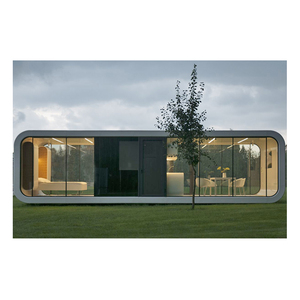
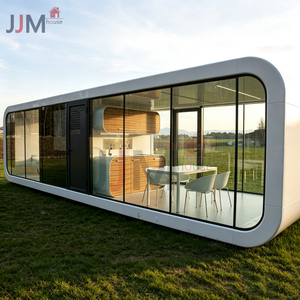
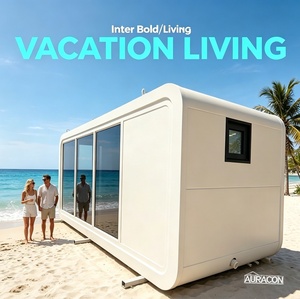
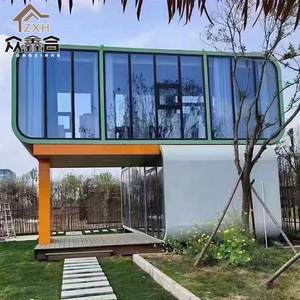
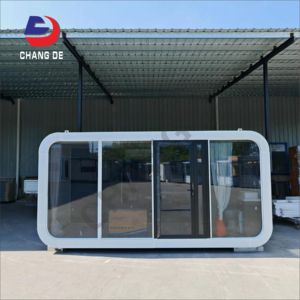
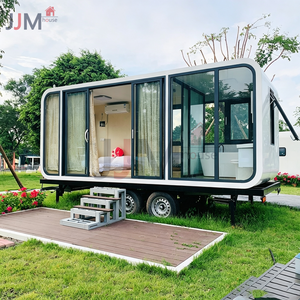
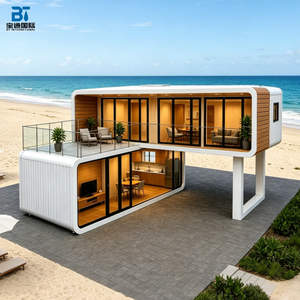
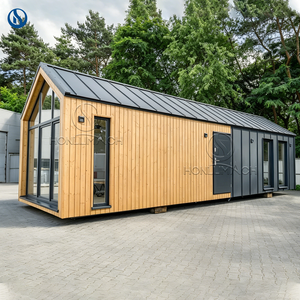
Bangladesh’s eco-tourism sector is undergoing an unprecedented structural transformation. From the undulating hills of Sajek Valley and Bandarban to the world’s longest natural sandy beach in Cox’s Bazar and the tranquil tea estates of Sreemangal, hospitality developers are shifting away from slow, eco-disruptive civil construction toward precision-engineered prefabricated resort cabins and modular space pods.
Traditional masonry building in remote Bangladeshi destinations presents severe operational hurdles: excessive transport logistics for wet raw materials (cement, bricks, rebar), prolonged exposure to monsoon delays, high labor overheads, and irreversible damage to delicate natural topographies. Prefabricated Apple Cabins and modular container structures solve these bottlenecks by transferring 90% of the construction workflow to a quality-controlled manufacturing environment.
Deploy a 20-unit luxury glamping resort within 30 days of site delivery. Start capturing high room rates (ADR) months ahead of traditional resort projects.
Requires minimal foundation excavation. Ideal for eco-sensitive sites, agricultural lands, hill slopes, and coastal tidal zones without environmental degradation.
Prefab cabins are relocatable assets. Developers operating on leased land in Bangladesh can safely relocate units at lease expiration without capital loss.
According to tourism growth figures across South Asia, modern travelers actively seek unique "Instagram-worthy" accommodation experiences. The futuristic aesthetics of panoramic glass Space Capsule Houses and curved-edge Apple Cabins consistently achieve 30% to 50% higher occupancy premiums compared to standard hotel rooms in competitive Bangladesh markets.
Customized structural and thermal specs designed for regional microclimates across Bangladesh.
Coastal Bangladesh presents aggressive saline moisture and seasonal cyclonic storm surges. Our marine-grade export cabins utilize hot-dip galvanized steel chassis with fluorocarbon aluminum alloy wall cladding, delivering C4/C5 anti-corrosion resilience that resists rust for over 30 years. Integrated hurricane tie-down anchor points withstand Bay of Bengal wind gusts up to 250 km/h.
Logistical access to mountain peaks in Chittagong Hill Tracts is notoriously narrow and steep. Our modular Apple Cabins and Z-Type foldable units are engineered for compact container transport, allowing easy flatbed truck delivery via hilly roads. High-density Polyurethane (PU) sandwich panel insulation maintains interior thermal equilibrium during chilly mountain nights and scorching days.
For tea garden glamping and tropical forest eco-lodges, minimal ground disturbance is mandatory. Elevated pile foundation systems allow our modular units to sit floating above lush terrain. Complete double-glazed tempered glass fronts provide panoramic views of tea hills while keeping out heavy monsoon rainfall and humidity through engineered secondary roof sealants.
Building near river delta zones requires light structural loads and leakproof floor systems. Our factory-fitted sanitary modules and integrated gray-water piping interface seamlessly with off-grid bio-digesters. The lightweight structural steel frame eliminates foundation sinking on soft alluvial delta soils common across southern Bangladesh.
Why top hotel investment groups and B2B developers in Chittagong & Dhaka are switching to factory-engineered modular systems.
| Performance Feature | Factory Prefab Apple / Capsule Cabin | Traditional Concrete & Brick Building |
|---|---|---|
| Construction Timeline | 15 - 30 Days (Factory Build + Rapid On-Site Bolt Assembly) | 6 - 12 Months (Vulnerable to Monsoon Delays) |
| Cyclone & Wind Resistance | Engineered frame rated up to 250 km/h wind exposure | Variable depending on local site workmanship quality |
| Heavy Rain & Leakage Control | Internal concealed roof drainage + structural rubber seals | Frequent masonry cracking and plaster dampness over time |
| Saline Air Corrosion Protection | Hot-dip galvanized frame + Aviation-grade Aluminum Shell | Exposed rebar rusting, spalling, and frequent paint repainting |
| Environmental Impact & Waste | Zero wet site waste; preserves natural soil micro-ecosystems | Heavy dust, noise, timber formwork destruction, high water usage |
| Off-Grid & Solar Integration | Factory pre-wired DC solar conduits & smart energy controls | Costly retrofitting required for solar wiring and breaker boxes |
| Relocation Flexibility | 100% Relocatable via crane & flatbed truck | Zero mobility (Permanent demolition required on lease expiry) |
As a leading international prefabricated container house manufacturer and exporter, our production matrix adheres to strict international structural codes. Every cabin shipped to Chittagong Port undergoes comprehensive structural load testing, rain simulation spray tests, and weld inspection.
Whether you require custom layout dimensions for a luxury boutique resort in Cox's Bazar or off-grid worker housing pods for industrial sites in Narayanganj, our structural engineering team delivers complete CAD shop drawings, stowage loading plans, and step-by-step installation guidance.
Essential technical, customs, and logistical answers for project managers and resort developers importing prefab cabins into Bangladesh.
Units are shipped via ocean freight containers directly to Chittagong Port (Chattogram) or Mongla Port. Flat-pack and detachable container cabins fit up to 4 sets per 40ft HQ container. Fully assembled Apple Cabins and Space Capsules ship as SOC (Shipper Owned Container) or via 40ft Flat Rack (FR) containers depending on width dimensions. Our team provides detailed container loading diagrams with every quotation.
Prefabricated cabins and container houses generally classify under HS Code 9406.90 (Prefabricated Buildings). We provide complete export documentation required by Bangladesh Customs, National Board of Revenue (NBR), and commercial banks for Letter of Credit (L/C) clearance, including Commercial Invoice, Packing List, Bill of Lading (B/L), Certificate of Origin (CO), and Factory Quality Inspection Certificates.
Yes. Traditional container homes leak at roof joints when water pools. Our Gen 2 Apple Cabins and Modular Units feature an engineered sloped roof system with concealed internal downpipes integrated inside the structural columns. Wall panels utilize interlocking male-female joint profiles with EPDM weather-seal gaskets, guaranteeing 100% water-tight integrity during extreme monsoon rainfall.
Minimal civil preparation is required. Cabins can sit on elevated concrete piers, micro-piles, ground screws, or a simple leveled concrete pad. Elevated piers (500mm to 1000mm off the ground) are strongly recommended in tropical Bangladesh to allow natural sub-floor ventilation, protect against ground moisture, and prevent flash flood water contact.
All wiring, circuit breakers, light fixtures, and sockets are pre-installed in the factory to comply with 220V / 50Hz electrical standards used in Bangladesh. Sockets are multi-standard to accommodate local plugs. Plumbing lines for freshwater supply and wastewater drainage are concealed within walls and floor systems, terminating in standard external connection ports ready for local utility hookup or septic tanks.
A fully finished Apple Cabin or Space Capsule is a plug-and-play unit: once placed on foundation blocks via crane, utility connections take less than 4 hours. For flat-pack or detachable series, a trained 4-person crew can assemble one full 20ft module within 3 to 5 hours using basic hand tools and bolt sets.
Request our comprehensive 2026 Prefab Resort Cabin Specification Catalog, land freight container stowage guide, and direct factory pricing file now.